
Inside the New Golden Age of Entertainment TV: Why Streamers Turn to Retro Hits? The global entertainment landscape is undergoing an unexpected transformation. As streaming platforms compete for attention in a crowded market, a growing number are turning to retro programming to strengthen libraries, attract multigenerational audiences, and stabilize their long-term viewer base. The resurgence of classic television suggests that Entertainment TV may be entering a new golden age—one shaped not by cutting-edge technologies alone but by the rediscovery of earlier eras of storytelling.
This shift reflects a broader cultural and business logic. Viewers are gravitating toward older shows for comfort, familiarity, and narrative consistency. In parallel, streaming companies are leveraging decades-old titles as cost-effective assets that carry reliable audience appeal. The interplay between nostalgia and strategic content economics is redefining the future of on-demand media.
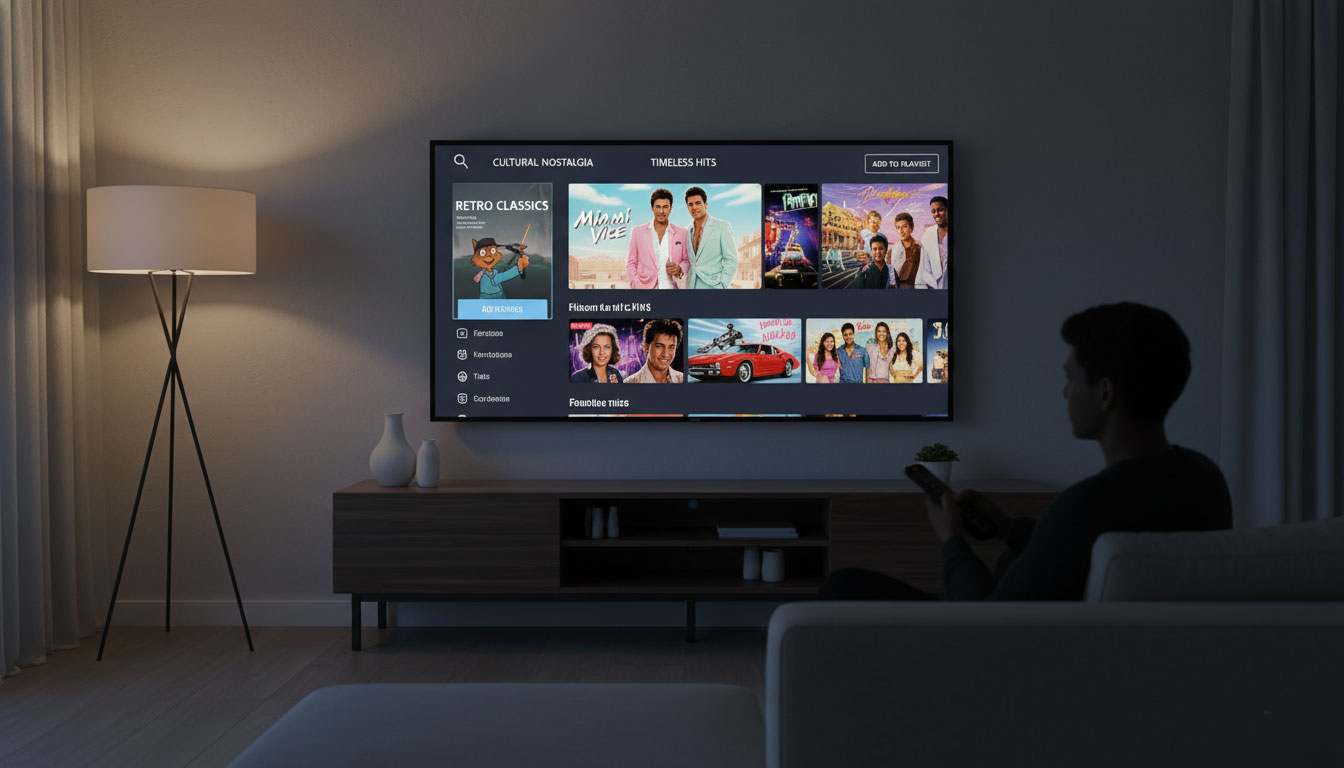
The Cultural Logic of Nostalgia
Why Retro Content Resonates Today?
The resurgence of classic television reflects changing emotional and psychological needs among global audiences. In a world marked by economic uncertainty, geopolitical tension, and rapid technological change, viewers often seek stability in familiar narratives. Retro shows provide a sense of connection to earlier eras, offering slower pacing, recognizable archetypes, and a comfort-oriented viewing experience.
The turn toward nostalgic programming mirrors the broader cyclical patterns in culture. Fashion, music, and visual aesthetics frequently revisit earlier decades; television is now following this pattern on a global scale. The appeal is not limited to older generations who originally watched these shows. Younger audiences engage with retro content through a lens of cultural curiosity, discovering styles of storytelling that differ markedly from contemporary genres.
Emotional Continuity and Viewer Behavior
Multiple studies on viewer engagement reveal that audiences turn to familiar content especially during stressful or unpredictable periods. Classic sitcoms, long-running dramas, and family-oriented shows offer predictability and emotional continuity. These characteristics contrast sharply with the fragmented and fast-paced media environment dominated by short-form video platforms.
This dynamic enhances viewer retention for streaming services. Retro content encourages lengthy binge-watching sessions and consistent daily engagement, offering a stable foundation for subscription-driven business models.
Business Strategies Driving the Retro Revival
A Cost-Effective Path to High Engagement
Streaming companies operate in an increasingly competitive environment, where producing original series requires significant financial investment. High-end dramas and cinematic universes cost millions per episode. In contrast, classic content often comes with lower licensing costs or is already owned within existing corporate archives.
For platforms with large legacy libraries, retro programs carry minimal production costs yet deliver consistent viewership. They function as reliable engagement anchors, generating steady watch time without ongoing creative expenditures. This cost-benefit logic makes retro content a powerful tool for platforms seeking sustainable growth.
A Hedge Against Content Volatility
The modern streaming landscape is defined by rapid experimentation. New shows are launched, marketed intensely, and canceled within months if they fail to gain traction. Retro content, by contrast, offers proven longevity. These shows have decades of brand recognition and cultural memory embedded within them.
This reliability helps platforms retain subscribers during periods without major new releases. It also stabilizes viewership demographics across age groups, offering something familiar for older viewers while remaining accessible and novel to younger ones.
More: A Retro Revival: Why the Entertainment Industry is Kicking It Old School
How Entertainment TV Is Being Reshaped by Archival Investments
The repositioning of classic television within digital libraries is transforming the way today’s audiences define Entertainment TV. Far from being simple reruns, retro programs are being treated as premium cultural artifacts worthy of restoration, analysis, and multi-generational rediscovery.
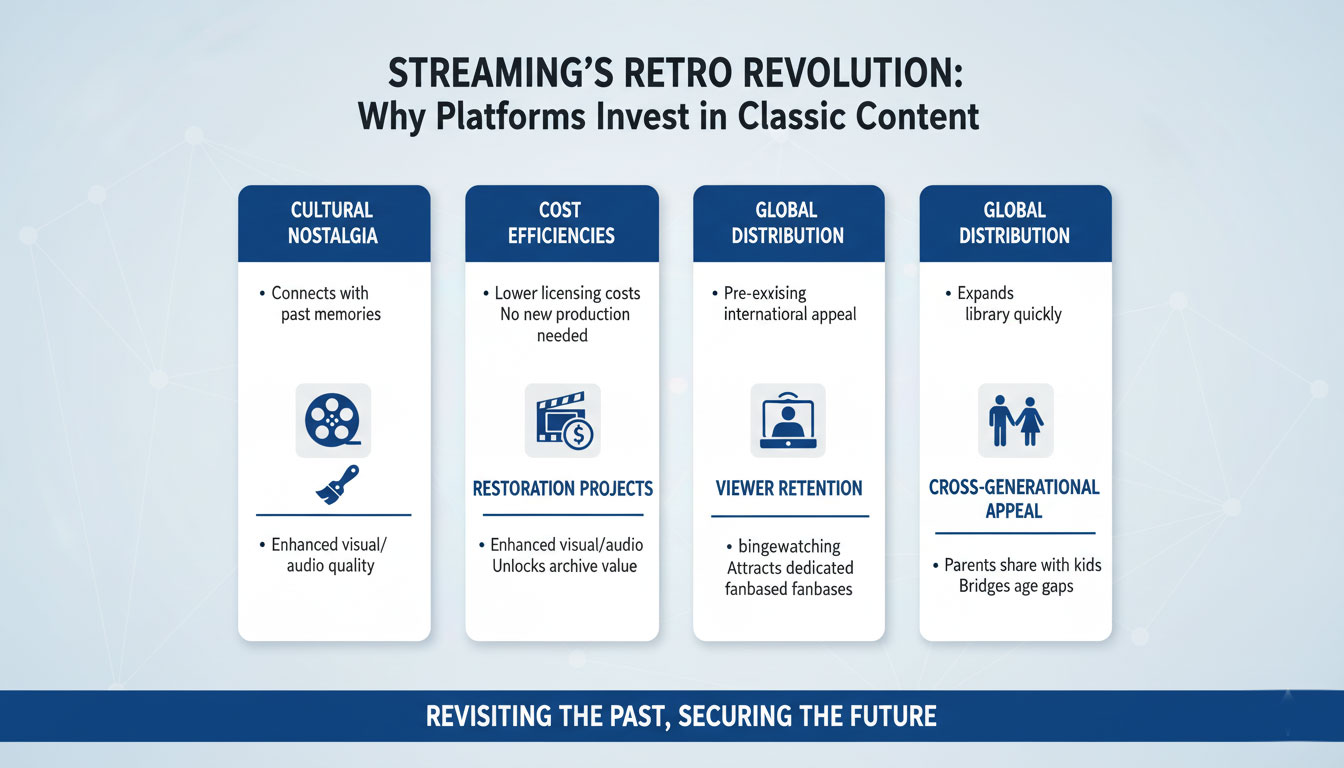
Restoration and Remastering Initiatives
Streaming platforms and production studios increasingly invest in the restoration of archival footage. Many older titles originally shot on film or analog formats require updates for modern viewing, including color correction, sound enhancement, and high-definition remastering.
These restoration efforts serve two purposes: improving the viewer experience and preserving cultural heritage. As global interest in classic programming grows, enhanced remasters become valuable assets capable of reaching new markets and license agreements.
Cross-Regional Popularity in Global Markets
Classic television is benefiting from the borderless nature of digital platforms. Shows that were once local or regional hits now reach audiences across continents. Subtitling, dubbing, and algorithm-driven recommendations introduce retro content to viewers who may not have had access to these programs during their original broadcast era.
This global reach repositions earlier decades of television as part of a shared cultural archive. The shift reinforces the perception that Entertainment TV is not limited by age, format, or geography.
Key Information Table On Trends in Retro Streaming Investments
| Trend | Description | Impact on Streaming Platforms |
|---|---|---|
| Restoration Projects | Digitally enhancing classic shows for modern screens | Attracts new audiences and boosts library value |
| Cross-Generational Appeal | Retro titles draw both older and younger viewers | Increases retention and broadens demographic reach |
| Cost-Effective Licensing | Retro content is cheaper than new originals | Reduces financial risk for streamers |
| Algorithmic Boost | Personalized recommendations highlight classic titles | Sustains watch time and engagement |
| Global Distribution | Retro hits are subtitled and released internationally | Expands cultural influence and revenue streams |
The New Economics of Digital Libraries
The Asset Value of Legacy Content
Streaming services increasingly view content libraries as long-term strategic assets. Unlike original productions, which may spike in popularity before fading, retro content maintains persistent engagement. Its predictability makes it ideal for reinforcing viewer routines and encouraging subscription renewals.
In some cases, digital platforms have begun acquiring rights to entire catalogues of television history, recognizing that cultural nostalgia is not a passing trend but a sustained demand driver.
Platform Differentiation and Market Identity
Retro content helps platforms differentiate themselves in a crowded media environment. A strong catalog of classic titles can serve as a unique selling proposition, particularly when competing platforms emphasize recent releases. The strategic curation of older shows enables streaming companies to build brand identity around heritage, authenticity, and cultural memory.
Why Younger Audiences Are Embracing Retro TV?
A Window into Past Storytelling Traditions
For younger viewers, retro programming offers insight into earlier forms of narrative construction. Many classic shows use episodic formats rather than serialized arcs. They feature character-driven humor, slower pacing, and self-contained storylines that differ from contemporary streaming trends. This structural contrast appeals to audiences seeking alternatives to the increasingly intensive and complex narratives dominating modern media.
Aesthetic Appeal and Vintage Culture
Retro media integrates naturally into the broader vintage-inspired aesthetic embraced by younger generations. From fashion to photography, many cultural trends are returning to earlier decades. Classic television fits seamlessly within this framework. Its visual language, character archetypes, and period-specific settings enrich the cultural ecosystem that appeals to digital-native audiences.
The Psychological Impact of Familiar Content
Stability in an Unstable Media Landscape
As short-form platforms drive hyper-stimulating content cycles, viewers are increasingly turning to entertainment that prioritizes comfort over novelty. The idea of “comfort watching” has grown into a mainstream habit. Classic sitcoms, procedural dramas, and family-friendly series provide emotional grounding.
For many, retro content becomes a form of digital sanctuary. Its predictability and narrative clarity contrast with the algorithmic chaos of modern short-form media.
The Role of Memory and Identity
Nostalgia-based viewing also supports personal identity formation. Audiences rewatch classic shows associated with childhood memories, family rituals, and earlier life stages. This emotional connection gives retro content a lasting cultural footprint that new releases rarely achieve immediately.
The Future of Entertainment TV in a Retro-Driven Market
Hybrid Models Combining Past and Present
Streaming platforms are experimenting with hybrid content that merges modern production with retro-inspired storytelling. Shows influenced by earlier genres, aesthetics, or narrative formulas have gained momentum. This approach blends audience familiarity with contemporary innovation, signaling a new creative direction for the industry.
Expanding Global Licensing Opportunities
The retro boom also unlocks new global licensing pipelines. Streamers gain opportunities to reintroduce older titles to regions that never received them originally. This global circulation repositions retro shows as evergreen assets capable of generating ongoing revenue.
Sustaining the Golden Age of Entertainment TV
The convergence of viewer psychology, content economics, and global accessibility positions the current moment as a transformative phase for Entertainment TV. The strategic rediscovery of retro content does not merely revive old shows; it reshapes contemporary media consumption and strengthens the foundation of the streaming business model.


