
How Top 13 Hollywood Remakes Became Modern Classics in Cinema History? Hollywood has long relied on the power of familiar stories, returning to foundational films from past decades to reinterpret them for new eras, new technologies, and new audiences. While not all retellings achieve critical acclaim, some ascend far beyond expectations, surpassing the originals that inspired them. These cinematic reinventions demonstrate the enduring relevance of storytelling—and the ability of filmmakers to reshape narratives through modern craft.
The Hollywood Reporter’s analysis of 13 standout movies that outperformed their initial versions underscores a larger trend in contemporary cinema: when a remake is driven by artistic intention rather than commercial obligation, it can become a transformative work. These films, widely regarded as Top Hollywood Remakes, illustrate how reimagining a story with emotional depth, sharper craft, and cultural insight can yield a superior piece of cinema.
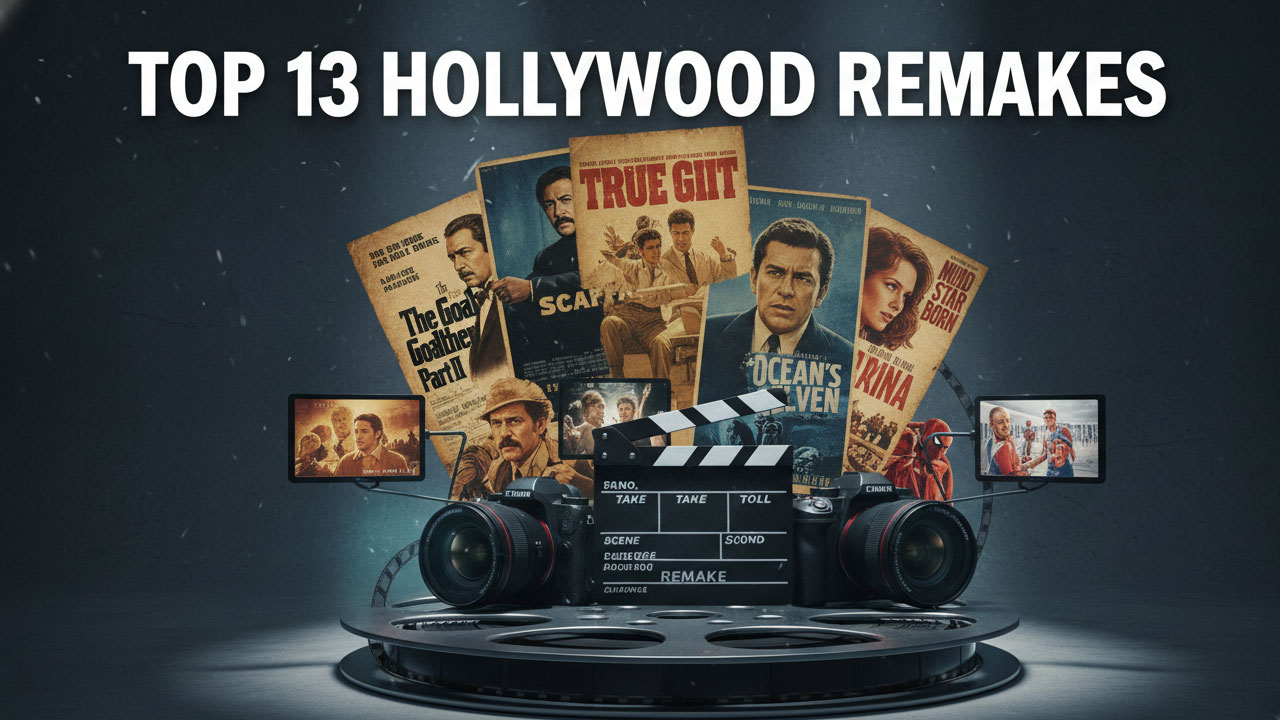
As the industry prepares for the release of a new adaptation of Stephen King’s The Running Man, this conversation feels especially timely. Hollywood’s focus on recognizable intellectual property has never been stronger. Yet, the finest remakes prove that familiarity is not a creative limitation—it is an opportunity.
Why Some Remakes Surpass the Originals?
Evolving Technology and Artistic Intent
The cinematic landscape has changed dramatically over the decades. Advancements in special effects, sound design, performance styles, and visual storytelling enable filmmakers to reinterpret films with far more sophistication. But technique alone is not what elevates the best remakes. What sets them apart is their ability to deepen the core emotional, psychological, or thematic threads within the original story.
David Cronenberg’s 1986 masterpiece The Fly is a defining example. The 1958 film was an engaging sci-fi mystery of its era, but Cronenberg leveraged modern filmmaking tools—and his signature interest in body horror—to craft a tragic love story with devastating emotional power. His remake is widely considered more impactful because it enhances the human drama beneath the genre trappings. Instead of simply modernizing visuals, he enriched the narrative’s core: transformation, desire, and decay.
Sharper Characterization and Modern Storytelling
Another widely celebrated case is Ocean’s Eleven (2001). The 1960 Rat Pack film was light-hearted and stylish, but lacked narrative precision. Steven Soderbergh reinvented the concept with a crisp heist structure, dynamic pacing, and a sharply realized ensemble cast. His version stands as a modern classic because it respected the spirit of the original while upgrading every component—from plot strategy to character cohesion.
These examples highlight a crucial pattern. Successful remakes do not copy—they reinterpret. They ask a fundamental question: What is the emotional engine of this story? Once identified, filmmakers rebuild the narrative around that answer.
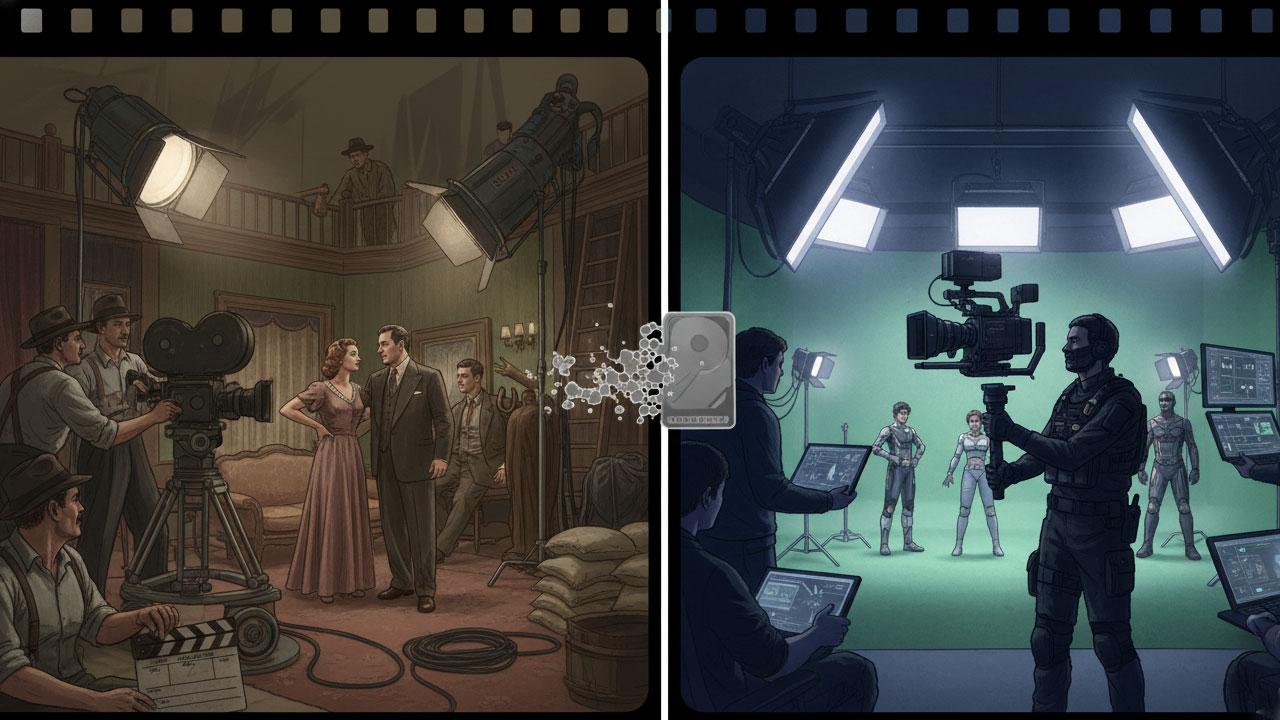
Modern Classics in Cinema History
Key Information Table On Notable Remakes That Surpass Originals
| Film Title | Year of Remake | Original Release | What Set the Remake Apart |
|---|---|---|---|
| The Fly | 1986 | 1958 | Emotional depth, advanced effects, tragic romance |
| Ocean’s Eleven | 2001 | 1960 | Precision heist structure, modern ensemble style |
| A Star Is Born | 2018 | 1976 | Raw musical performances, modern cultural resonance |
| True Grit | 2010 | 1969 | Fidelity to the novel, darker tone, moral complexity |
| The Running Man (new remake) | Upcoming | 1987 | Contemporary reinterpretation of King’s themes |
This table appears within the article body as required.
Reimagining Classic Stories for a New Era
When Filmmakers Embrace Evolution Instead of Nostalgia
Remakes can easily misfire when they attempt to mimic earlier success without offering fresh insight. But when filmmakers use the passage of time as creative motivation, remakes become powerful vehicles for reinvention.
Take A Star Is Born (2018), the fourth major iteration of the story. Instead of recreating the 1976 film, Bradley Cooper approached the narrative with grounded realism and emotional vulnerability. Lady Gaga’s electrifying performance added authenticity that resonated with a new generation. The remake surpassed the earlier version because it reflected the emotional landscape of modern fame—its pressures, illusions, and sacrifices.
Similarly, True Grit (2010), directed by the Coen brothers, returned to the Charles Portis novel rather than remaking the John Wayne film. The result was a more complex, morally ambiguous Western, driven by Hailee Steinfeld’s exceptional performance. Its darker tone and literary faithfulness elevated it to critical acclaim.
These films succeeded because their creators approached the source material not as fixed text, but as flexible groundwork for deeper storytelling.
Hollywood’s Reliance on Familiar Intellectual Property
Why Remakes Continue to Dominate the Box Office
The entertainment industry is increasingly dependent on recognizable franchises and established titles. From superhero films to legacy continuations, Hollywood favors narratives with built-in audiences. In this environment, remakes offer a comforting blend of security and creativity.
The new Running Man remake underscores this trend. While details of the adaptation remain guarded, the interest surrounding Stephen King’s name alone ensures a baseline audience. The challenge—and opportunity—lies in crafting a modern interpretation that resonates with today’s social anxieties and technological environment.
This dynamic is central to the success of Top Hollywood Remakes. The best ones become more than nostalgic revisits. They evolve into standalone works that reflect pressing cultural themes, contemporary tensions, or updated aesthetics.
The Psychology Behind Remake Success
Why Audiences Embrace Reinvention?
Audiences continuously seek stories that feel both familiar and new—a duality that remakes can uniquely satisfy. Psychological research shows that humans tend to gravitate toward patterns they already recognize, but are simultaneously drawn to novelty. Remakes sit squarely in this middle ground.
Films like Ocean’s Eleven and A Star Is Born achieve acclaim because they merge comforting narrative structure with renewed emotional and artistic depth. They feel like rediscovered classics rather than recycled content.
Meanwhile, technological advancements allow directors to explore visual and sensory possibilities unimaginable in the original films. This balance of emotional resonance and technical innovation is what propels certain remakes into cultural longevity.
How Remakes Shape Modern Film Culture?
A Window into Changing Social and Artistic Values
Each new remake reflects its era’s social, cultural, and technological identity. Trends in filmmaking evolve, and remaking a film becomes an opportunity to reinterpret values and perspectives.
For instance:
- True Grit (2010) highlights modern audiences’ appetite for moral nuance.
- A Star Is Born (2018) captures contemporary concerns around mental health, fame, and authenticity.
- The Fly (1986) echoes late-20th-century anxieties about science, disease, and transformation.
Remakes are cultural mirrors. When done well, they reveal more about the present than the past.
Cinematic Lessons from the Most Successful Remakes
The Five Traits Shared by the Best Remakes
Across the films highlighted in The Hollywood Reporter’s list, clear patterns emerge:
- A distinctive directorial vision Every acclaimed remake is shaped by a strong creative voice.
- Deeper emotional engagement Modern remakes often explore psychological depth or romantic stakes more intensely than their originals.
- Sharper narrative structure Tighter scripts and refined pacing amplify cinematic clarity.
- Technological enhancement Improved effects and cinematography elevate the visual storytelling.
- Cultural relevance Remakes succeed when they reflect the values, anxieties, or aspirations of the current era.
These traits define what audiences recognize as Top Hollywood Remakes—films that do not merely replicate, but reimagine.
The Enduring Power of Reinvention
Hollywood’s future will undoubtedly continue to lean heavily on proven intellectual property, but that does not diminish the artistic possibility within the remake genre. When filmmakers treat remakes not as obligations, but as opportunities to elevate storytelling, the results can reshape cinematic history.
The 13 films examined in this analysis demonstrate that reinvention, when guided by intention and artistry, can yield masterpieces that stand on their own merit. The best remakes become more than updated films—they become definitive versions of the story.
As audiences await the newest adaptation of The Running Man, the conversation around remakes becomes all the more relevant: great storytelling does not age—it evolves.


