
The Psychology of Fun: Understanding Entertainment Meaning Today. In an era dominated by screens, algorithms, and instant access to media, defining the Entertainment Meaning has become increasingly complex. Traditional forms of amusement—reading, theater, or outdoor games—now coexist with streaming platforms, online gaming, social media, and immersive virtual experiences. The concept of entertainment is no longer merely about passing time; it has evolved into a multidimensional phenomenon that intersects psychology, technology, and culture.
This article explores how modern psychology interprets fun, why digital platforms reshape our perceptions of entertainment, and what this means for individuals and society at large.
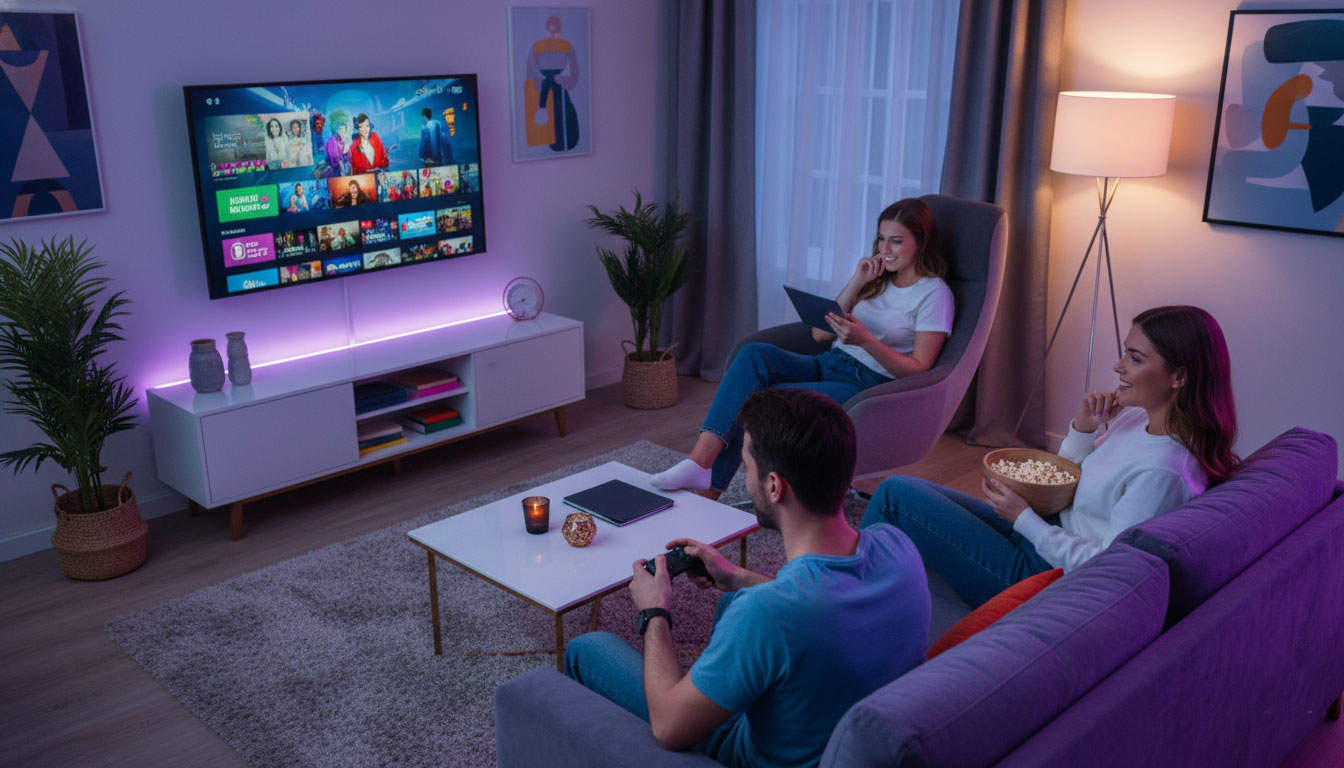
The Evolution of Entertainment
Historically, entertainment was tied to community and culture. Public performances, storytelling, and sports were primary forms of amusement, providing both education and leisure. However, the advent of radio, cinema, and television in the 20th century transformed entertainment into a largely passive, media-driven experience.
From Passive to Interactive
Digital technologies have further shifted this landscape. Today’s consumers are not merely audiences but participants. Interactive games, social media challenges, and immersive virtual worlds demand engagement, collaboration, and creativity. This shift reflects a deeper change in the Entertainment Meaning, emphasizing personal involvement and emotional resonance over passive consumption.
Psychological Foundations of Fun
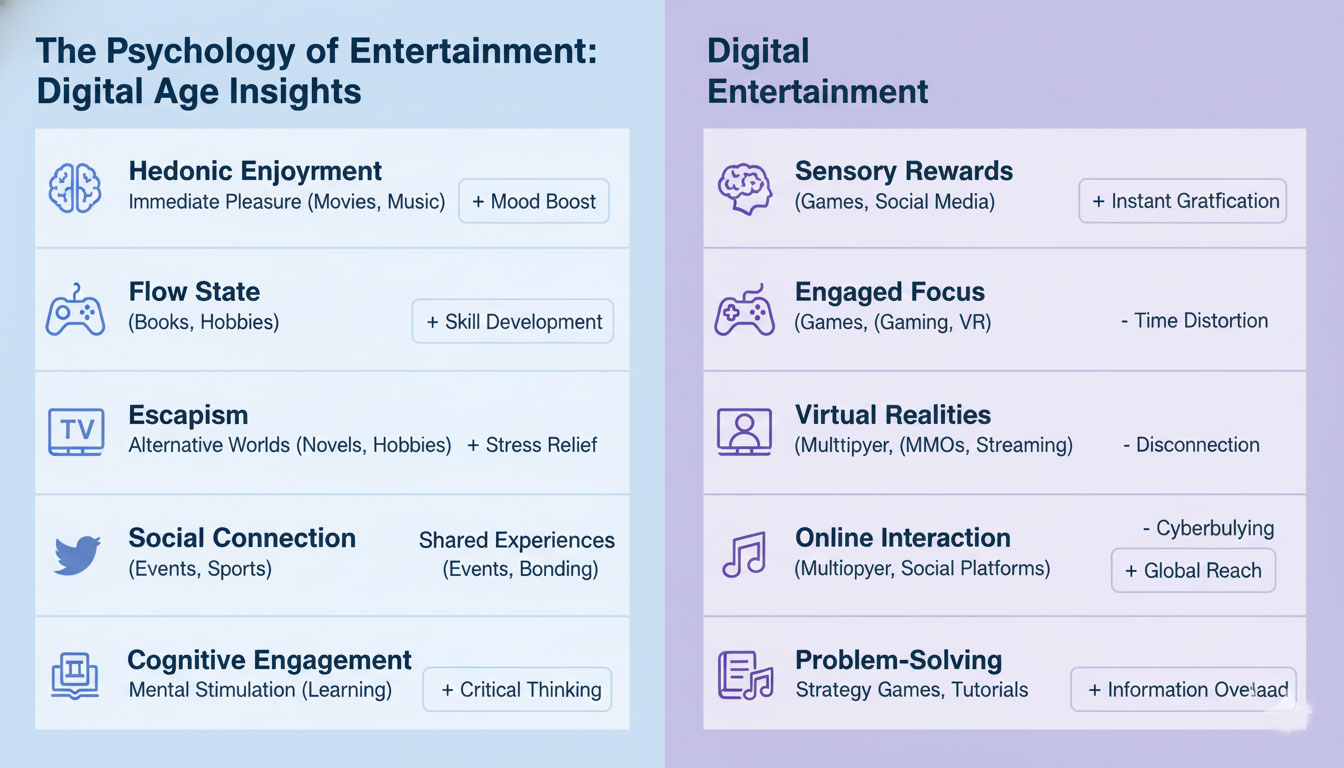
Understanding entertainment requires exploring the psychological mechanisms underlying enjoyment. Several key theories provide insight:
1. Hedonic Enjoyment
Hedonic enjoyment focuses on pleasure derived from sensory stimulation and emotional gratification. Watching a comedy show, playing an upbeat video game, or attending a live concert activates the brain’s reward centers, releasing dopamine and promoting positive mood states.
2. Flow State
Mihaly Csikszentmihalyi’s concept of “flow” describes deep immersion in an activity where challenges match one’s skills. Video gaming, creative arts, and interactive storytelling often induce flow, making the experience intrinsically rewarding.
3. Escapism
Entertainment serves as a psychological escape from stress and daily obligations. The Entertainment Meaning in this context is not simply amusement but a coping mechanism, helping individuals regulate emotions and mental energy.
4. Social Connection
Shared entertainment fosters community and social cohesion. Multiplayer games, watch parties, and online forums exemplify how digital media enables social interaction, reinforcing the social dimension of entertainment.
Key Information Table On: Digital Media and the Changing Entertainment Meaning
| Feature | Traditional Entertainment | Digital Entertainment |
|---|---|---|
| Engagement Level | Passive (viewing/reading) | Active (interactive, social) |
| Accessibility | Scheduled, location-dependent | On-demand, global, anytime |
| Personalization | Limited | Algorithm-driven recommendations |
| Social Dimension | Shared in-person experiences | Online communities, virtual events |
| Cognitive Impact | Moderate | High, requires multitasking |
| Emotional Impact | Temporary mood uplift | Sustained engagement, stress relief |
This table illustrates the shift in the Entertainment Meaning, highlighting the increased emphasis on interactivity, personalization, and social connectivity.
Behavioral Implications of Digital Entertainment
Digital entertainment profoundly affects cognition, behavior, and lifestyle. Key implications include:
Attention and Multitasking
Rapid content consumption and constant notifications influence attention spans. Users often switch between apps, videos, and games, creating a fragmented engagement pattern that differs from traditional media’s sustained focus.
Dopamine Loops and Habit Formation
Interactive platforms exploit reward systems, creating dopamine-driven feedback loops. These loops enhance engagement but may contribute to compulsive behavior or overconsumption. Understanding this aspect is crucial to interpreting the Entertainment Meaning in psychological terms.
More: What Is the Underlying Psychology of Having Fun?
Emotional and Mental Health
Entertainment serves as both a stress reliever and a potential stressor. While immersive gaming or binge-watching can provide relaxation, excessive use may contribute to social isolation, disrupted sleep, and heightened anxiety.
Educational and Cognitive Benefits
Not all digital entertainment is detrimental. Strategy games, educational videos, and creative platforms stimulate problem-solving, critical thinking, and cognitive flexibility, demonstrating that the Entertainment Meaning can encompass growth, learning, and skill development.
Cultural and Generational Perspectives
Perceptions of entertainment vary across cultures and age groups. Older generations often associate entertainment with passive enjoyment, whereas younger audiences prioritize interactivity, creativity, and social sharing. Cross-cultural research indicates that digital platforms facilitate global trends, allowing entertainment to transcend geographic boundaries while adapting to local preferences.
Case Example: Streaming Platforms
Platforms like Netflix and YouTube have democratized content consumption, offering personalized recommendations based on viewing history. These services exemplify how technology shapes the Entertainment Meaning, blending hedonic pleasure with convenience and community discussion.
Case Example: Gaming Communities
Games like Fortnite or Minecraft create virtual spaces where players collaborate, compete, and express creativity. Here, entertainment extends beyond simple fun—it becomes a platform for identity formation, social engagement, and skill-building.

Redefining the Entertainment Meaning in the Digital Age
In the digital era, the Entertainment Meaning encompasses multiple dimensions:
- Sensory Pleasure: Enjoyment derived from audiovisual stimuli.
- Cognitive Engagement: Challenge, strategy, and problem-solving.
- Social Interaction: Connection, collaboration, and shared experiences.
- Emotional Regulation: Escapism, relaxation, and mood enhancement.
- Identity and Self-Expression: Personalization and creative contribution.
This multidimensional understanding reflects that entertainment is no longer a simple diversion; it is a complex psychological, social, and cultural phenomenon.
Strategies for Healthy Entertainment Consumption
To maximize benefits while minimizing risks, consider the following strategies:
- Set Boundaries: Define screen time limits for daily engagement.
- Diversify Activities: Balance digital entertainment with outdoor, creative, and social activities.
- Mindful Consumption: Choose content consciously to enhance enjoyment and personal growth.
- Community Engagement: Participate in online or offline groups to foster social interaction.
- Cognitive Awareness: Recognize the impact of dopamine-driven loops and avoid compulsive consumption.
The Entertainment Meaning in the 21st century is shaped by technology, psychology, and culture. Far from being a simple leisure activity, entertainment now integrates sensory pleasure, cognitive engagement, social connection, and emotional regulation. Digital platforms, streaming services, and interactive games have expanded the boundaries of fun, allowing for personalized, immersive, and socially connected experiences.
Understanding the psychology behind entertainment is essential for both consumers and creators. By examining how individuals derive pleasure, manage attention, and engage socially, society can appreciate entertainment not only as amusement but also as a vehicle for creativity, learning, and mental well-being.
Ultimately, the true Entertainment Meaning is fluid and multidimensional—reflecting how humans seek joy, connection, and personal growth in an increasingly digital world.


