
Sophie Kinsella: Clarifying False Death Reports and Her Literary Legacy.In recent days, online platforms have circulated claims that Sophie Kinsella, the bestselling British novelist behind the Shopaholic series, has died at the age of 55. These assertions have spread rapidly through social media posts, content aggregation sites, and poorly sourced blogs. However, a review of verifiable public records, publisher statements, and reputable news outlets confirms that these reports are false. There has been no credible announcement from her family, literary representatives, or established media organizations indicating that Sophie Kinsella has died.
In an era when misinformation travels faster than verification, the situation underscores a broader challenge facing global journalism: the need to distinguish between viral claims and substantiated facts. For public figures, especially writers who maintain a relatively private personal life, such rumors can gain traction quickly, amplified by search algorithms and click-driven incentives.
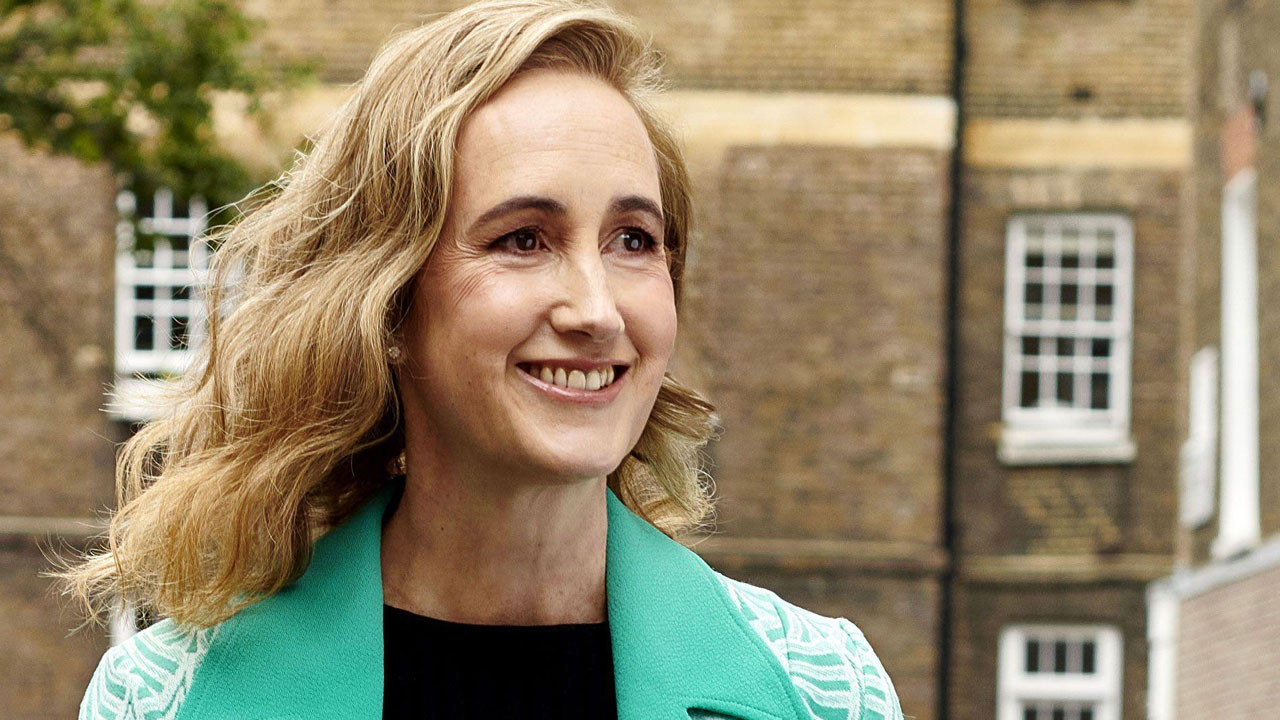
This article addresses the misinformation directly, clarifies the factual record, and places Sophie Kinsella’s work and influence within a wider literary and cultural context.
Who Is Sophie Kinsella?
Sophie Kinsella is the pen name of Madeleine Wickham, a British novelist born on December 12, 1969. She is internationally recognized for her contribution to contemporary commercial fiction, particularly romantic comedy novels that blend humor with social observation. Before adopting the Sophie Kinsella pseudonym, she published several novels under her birth name, establishing herself within the British publishing landscape.
Her breakthrough came with The Secret Dreamworld of a Shopaholic (2000), a novel that introduced readers to Rebecca Bloomwood, a financially impulsive yet deeply relatable protagonist navigating consumer culture, personal ambition, and emotional growth. The book’s success led to a long-running series that has sold tens of millions of copies worldwide and has been translated into more than 40 languages.
The Origin and Spread of False Death Reports
False death reports about public figures are not uncommon in the digital age. In the case of Sophie Kinsella, the rumor appears to have originated from unverified social media posts and low-quality content websites designed to capitalize on trending searches. These sites often lack editorial oversight and rely on automated publishing systems that prioritize speed over accuracy.
Search engine optimization practices, when misused, can inadvertently amplify such misinformation. Once a false claim gains initial traction, it may be echoed across multiple platforms, creating an illusion of credibility through repetition rather than evidence.
No reputable news organization, including major British or international outlets, has confirmed the death of Sophie Kinsella. Her publishers and professional affiliations have issued no statements suggesting such an event, reinforcing the conclusion that the reports are unfounded.
Public Health Disclosures and Misinterpretation
Part of the confusion may stem from Sophie Kinsella’s past public disclosures regarding her health. Like many contemporary authors, she has occasionally shared personal experiences in essays or interviews, often in thoughtful and measured terms. Such openness, while fostering reader connection, can sometimes be misinterpreted or exaggerated by online commentators.
It is important to note that discussing health challenges does not equate to imminent or reported death. Responsible journalism requires contextual reading of such disclosures, not speculative extrapolation.
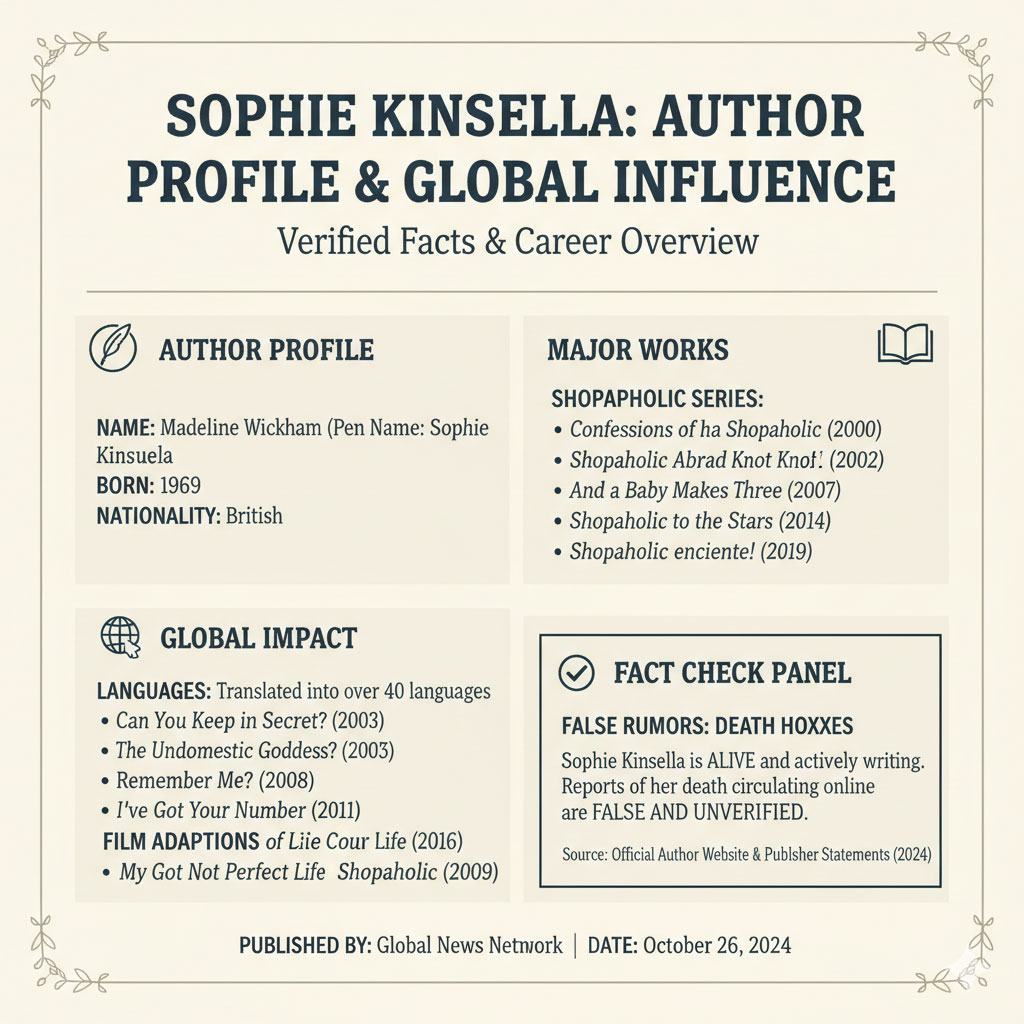
Literary Career and Global Impact
The influence of Sophie Kinsella on popular fiction is difficult to overstate. Her novels helped redefine romantic comedy for a new generation of readers, combining lighthearted storytelling with acute awareness of economic pressures, workplace dynamics, and emotional vulnerability.
The Shopaholic Phenomenon
At the heart of her success lies the Shopaholic series, which resonated with readers during a period of expanding consumer culture and evolving gender roles. Rebecca Bloomwood’s struggles with debt, self-image, and ambition reflected real-world anxieties in an accessible, humorous form.
The series’ longevity demonstrates its adaptability to changing social contexts, remaining relevant across multiple economic cycles and cultural shifts.
Beyond Shopaholic
Sophie Kinsella’s body of work extends well beyond her most famous character. Standalone novels such as Can You Keep a Secret?, The Undomestic Goddess, and Remember Me? explore themes of identity, memory, professional burnout, and emotional resilience.
These works collectively illustrate her consistent narrative voice: optimistic without being naïve, humorous without trivializing serious issues.
Key Information at a Glance
| Category | Verified Information |
|---|---|
| Full Name | Madeleine Wickham |
| Pen Name | Sophie Kinsella |
| Date of Birth | December 12, 1969 |
| Nationality | British |
| Notable Works | Shopaholic series, Can You Keep a Secret? |
| Current Status | Alive; false death reports circulating |
| Languages Published | 40+ |
| Global Sales | Tens of millions of copies |
The Economics of Attention and Author Misinformation
False reports about Sophie Kinsella highlight a structural issue in the digital news ecosystem. Attention-driven monetization models reward sensational claims, particularly when associated with well-known names. Authors, unlike film stars or politicians, often lack immediate public-facing representatives who can rapidly counter false narratives.
This creates a vulnerability where rumors can persist longer than they would for figures with constant media exposure. It also places an ethical burden on search platforms and publishers to prioritize authoritative sources.
Reader Trust and Editorial Standards
For global readers, trust in journalism depends on consistent adherence to verification standards. Publishing unconfirmed claims about an individual’s death violates not only professional ethics but also public trust.
High-authority reporting requires:
- Independent confirmation from primary sources
- Transparency about what is known and unknown
- Clear correction of false information
In reaffirming that Sophie Kinsella is alive, responsible journalism serves both readers and the subject herself.

Why Sophie Kinsella’s Work Continues to Matter
Beyond correcting misinformation, it is worth considering why Sophie Kinsella remains a subject of global attention decades into her career. Her novels occupy a significant space in literary culture, often serving as entry points into reading for younger audiences and reluctant readers.
Academically, her work is increasingly discussed in terms of consumer identity, gendered labor, and emotional economics. While often categorized as “light reading,” such labels underestimate the sociological insight embedded in her storytelling.
The Broader Cultural Context
The persistence of death hoaxes reflects a paradox of digital culture: unprecedented access to information paired with declining information literacy. For authors like Sophie Kinsella, whose readership spans continents and generations, maintaining narrative control over one’s public identity becomes increasingly complex.
Publishers, journalists, and readers all share responsibility in resisting the spread of unverified claims.
Separating Fact From Fiction
Sophie Kinsella is alive, active, and remains one of the most influential figures in contemporary popular fiction. Claims of her death at age 55 are false and unsupported by any credible evidence. While such rumors may temporarily capture online attention, they ultimately undermine the credibility of digital information systems.
Her true legacy lies not in sensational headlines but in a body of work that has entertained, comforted, and connected millions of readers worldwide. Upholding factual accuracy ensures that public discourse honors that legacy rather than distorting it.


