
Why Trump Re-Ignites Feud with London Mayor Sadiq Khan in Latest Remarks? Former U.S. President Donald Trump has once again directed sharp criticism toward London Mayor Sadiq Khan, describing him as a “disaster” in recent public statements. This latest development is not an isolated remark but part of a broader pattern of contentious exchanges between Trump and Khan over the past several years.
Trump’s critique touches on issues of city governance, security policies, and perceived leadership failures. While largely rhetorical, the remarks have prompted renewed media coverage and analysis on the interplay between international figures and local governance.

Historical context of the feud
The tension between Trump and London Mayor Sadiq Khan dates back to Trump’s tenure in the White House. Initial disagreements focused on counterterrorism measures, urban security protocols, and Khan’s response to specific incidents in London, including attacks that drew significant public attention.
Over time, the rhetoric escalated, often amplified by social media platforms and international news outlets. Analysts observe that such disputes exemplify how local leadership decisions can become entangled with global political narratives, especially when involving high-profile figures.
Core areas of disagreement
Several key issues have historically fueled the friction between Trump and Khan:
- Counterterrorism and public safety: Trump has criticized Khan’s approaches to policing and preventive measures against terrorism, questioning the adequacy of city protocols.
- Urban policy and social cohesion: Discussions over homelessness, housing, and public transport have occasionally become focal points for critique, framing Khan’s administration as ineffective in addressing urban challenges.
- Communication style: Trump’s blunt, often hyperbolic messaging contrasts with Khan’s measured approach, magnifying perceived conflicts for media and public consumption.
Each element of disagreement reinforces the broader narrative of contention, allowing the feud to persist in public consciousness.
Media amplification and public perception
The coverage of Trump’s remarks has been extensive, spanning international news organizations and online platforms. Experts note that when prominent figures engage in personal criticism, media outlets often balance factual reporting with context, sometimes blurring lines between analysis and amplification.
Public opinion in London and abroad remains divided. Supporters of Khan highlight his handling of city crises and community engagement initiatives, while critics echo Trump’s emphasis on perceived administrative shortcomings. Polling data, though limited, suggests that international figures’ commentary has a negligible effect on Khan’s domestic approval ratings.
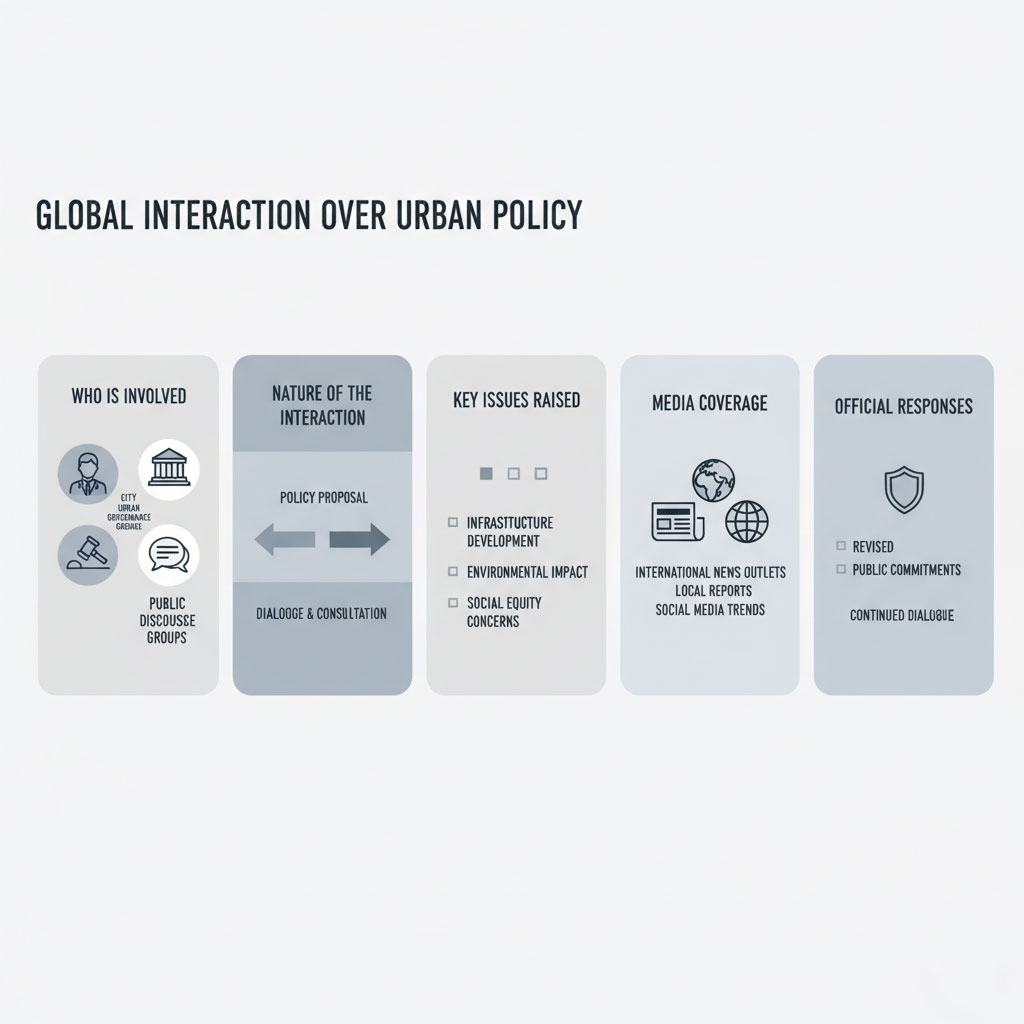
Key Information Table On: Trump Re-Ignites Feud with London Mayor Sadiq Khan
| Category | Verified Information |
|---|---|
| Individuals involved | Donald Trump, London Mayor Sadiq Khan |
| Nature of interaction | Public criticism and rhetoric |
| Core issues | Security policy, city management, communication style |
| Reactions | Mixed media coverage, public debate |
| Official responses | Khan’s office issued measured statements emphasizing focus on city priorities |
This table summarizes the factual, publicly confirmed aspects of the ongoing discourse.
Political and diplomatic dimensions
While the feud may appear personal, it carries broader implications for U.S.-UK relations and transatlantic perceptions. Political analysts emphasize that public criticism from a former U.S. president toward a foreign municipal leader is unusual but largely symbolic rather than operational.
The remarks also coincide with broader discussions about leadership accountability, urban governance, and how local and international narratives intersect in a media-driven age. London’s city policies, particularly around safety and urban planning, often attract scrutiny, and such public disputes magnify attention.
Public safety and urban governance context
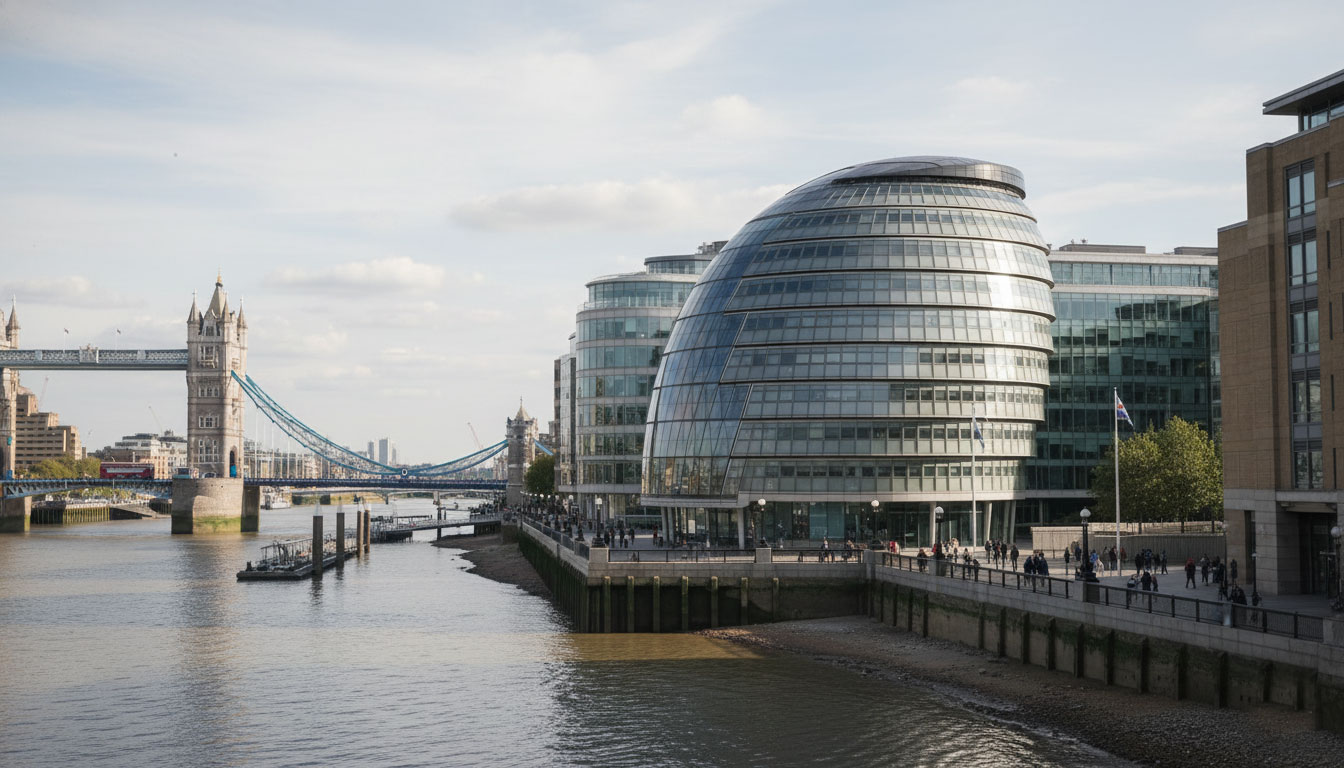
Mayor Sadiq Khan’s administration has overseen significant security initiatives in London, including partnerships with the Metropolitan Police and the development of urban resilience programs. Trump’s criticism, while vocal, often lacks technical specificity, focusing instead on broader impressions of administrative effectiveness.
Understanding the nuances of city governance helps contextualize why public statements can be amplified internationally, even when operational impacts are limited.
Social and cultural ramifications
The feud also touches on perceptions of leadership in multicultural cities. Khan, as London’s first Muslim mayor, represents both progressive urban management and symbolic inclusion. Trump’s rhetoric, in contrast, often frames disagreements in stark, personalized terms. This juxtaposition underscores broader debates about identity, leadership style, and media framing in global discourse.
How audiences should interpret the feud
Observers are advised to distinguish between rhetorical commentary and actionable policy critique. While Trump’s statements generate headlines, they do not alter London’s governance structures or operational security measures. Responsible media consumption requires attention to verified information, official responses, and expert analysis rather than sensationalized interpretation.
Broader implications for political coverage
The ongoing exchanges illustrate the challenges of covering conflicts involving public figures at multiple levels—local, national, and international. Newsrooms must balance audience interest with factual accuracy and ethical reporting, ensuring that coverage reflects significance rather than personality-driven spectacle.
Conclusion: measured analysis over rhetoric
The renewed criticism from Trump toward London Mayor Sadiq Khan offers insight into how media, politics, and personality intersect. While the remarks have attracted attention, their substantive impact on governance or policy is minimal. For audiences and journalists alike, the key takeaway is the importance of verifying information, contextualizing rhetoric, and maintaining analytical clarity in reporting.


