
How Recent Nvidia News Shapes the Future of Virtual Filmmaking? The filmmaking industry is experiencing a technological evolution, and recent announcements from Nvidia are accelerating this transformation. Nvidia News highlights innovations in GPU computing, artificial intelligence, and virtual production that are reshaping how films are conceptualized, rendered, and delivered. These developments extend beyond gaming and scientific computation, empowering filmmakers to produce high-quality visual content faster, with greater creative flexibility and lower costs.
Nvidia’s latest initiatives focus on high-performance GPUs and AI-enabled tools that streamline virtual production. The company’s GPUs, such as the RTX 40 series, are designed for real-time ray tracing and advanced shading techniques, enabling filmmakers to visualize complex scenes interactively.
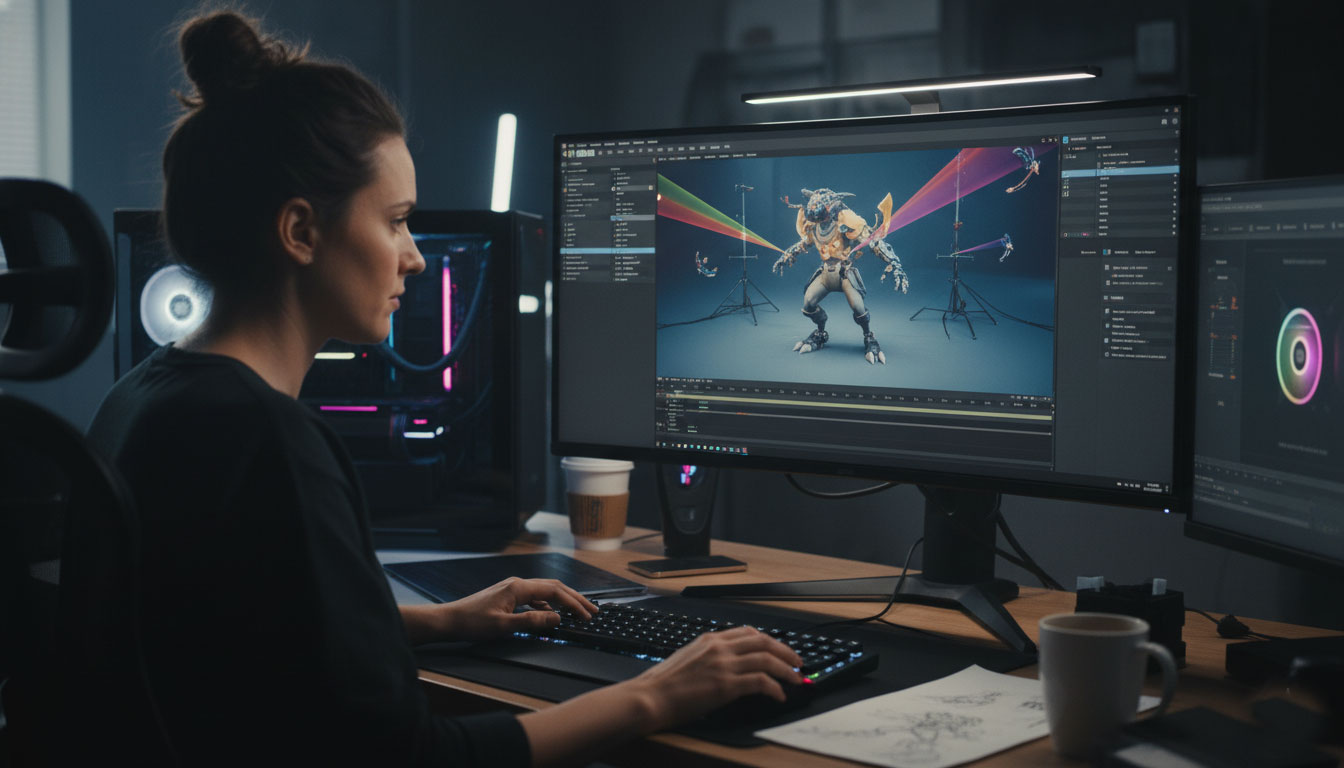
In addition, Nvidia’s Omniverse platform provides a collaborative environment where directors, VFX artists, and animators can work simultaneously on the same 3D assets, reducing iteration times and fostering creative experimentation.
Key features highlighted in recent Nvidia News include:
| Technology | Feature | Application in Filmmaking | Impact |
|---|---|---|---|
| RTX 40 GPUs | Real-time ray tracing | Accurate lighting and reflections in CGI scenes | Speeds up rendering and reduces post-production costs |
| Omniverse Platform | Multi-user 3D collaboration | Shared environments for VFX, animation, and previsualization | Streamlines teamwork and iteration cycles |
| AI Denoising | Noise reduction using deep learning | Cleaner renders in less time | Improves efficiency and visual quality |
| Deep Learning Super Sampling (DLSS) | Upscaling low-res renders | Faster real-time previews | Allows interactive previews on less powerful hardware |
| NVIDIA Studio Tools | Optimized drivers and SDKs | Integrates with major production software | Ensures stability and high performance in creative workflows |
These technologies collectively represent a paradigm shift, moving from offline, time-intensive rendering toward interactive, real-time production pipelines.
Real-Time Virtual Production
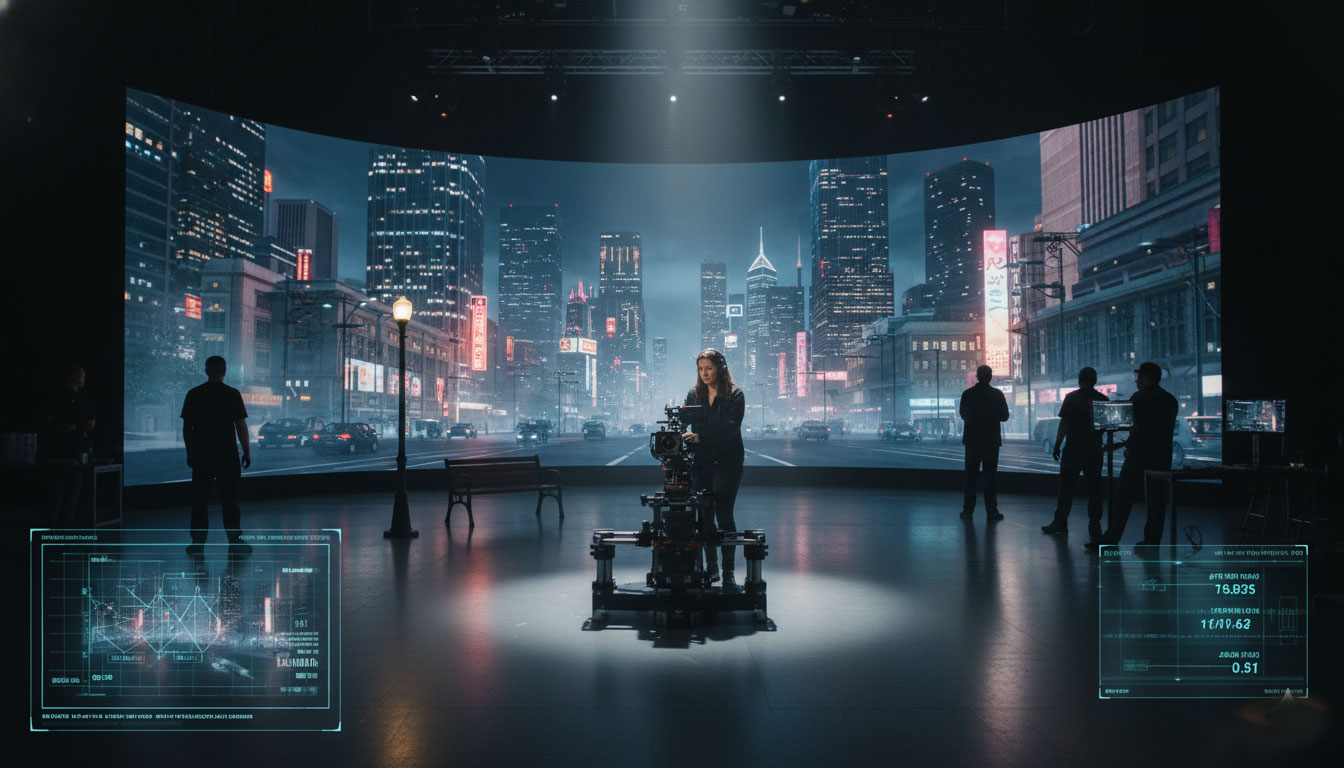
Virtual production has emerged as one of the most significant trends in modern filmmaking. Nvidia News emphasizes that real-time engines like Unreal Engine, coupled with Nvidia GPUs, allow directors to see photorealistic results on set instead of waiting for hours of post-production rendering.
Key benefits of real-time virtual production include:
- Immediate Creative Feedback: Directors can adjust lighting, camera angles, and set elements in real-time.
- Cost Reduction: Minimizes the need for physical sets and reduces labor-intensive rendering workflows.
- Enhanced Collaboration: Teams across locations can participate in production simultaneously using shared assets in platforms like Omniverse.
This approach was notably used in productions like The Mandalorian, where LED volume stages and real-time rendering transformed traditional filmmaking practices. Nvidia’s latest GPU improvements further expand these capabilities.
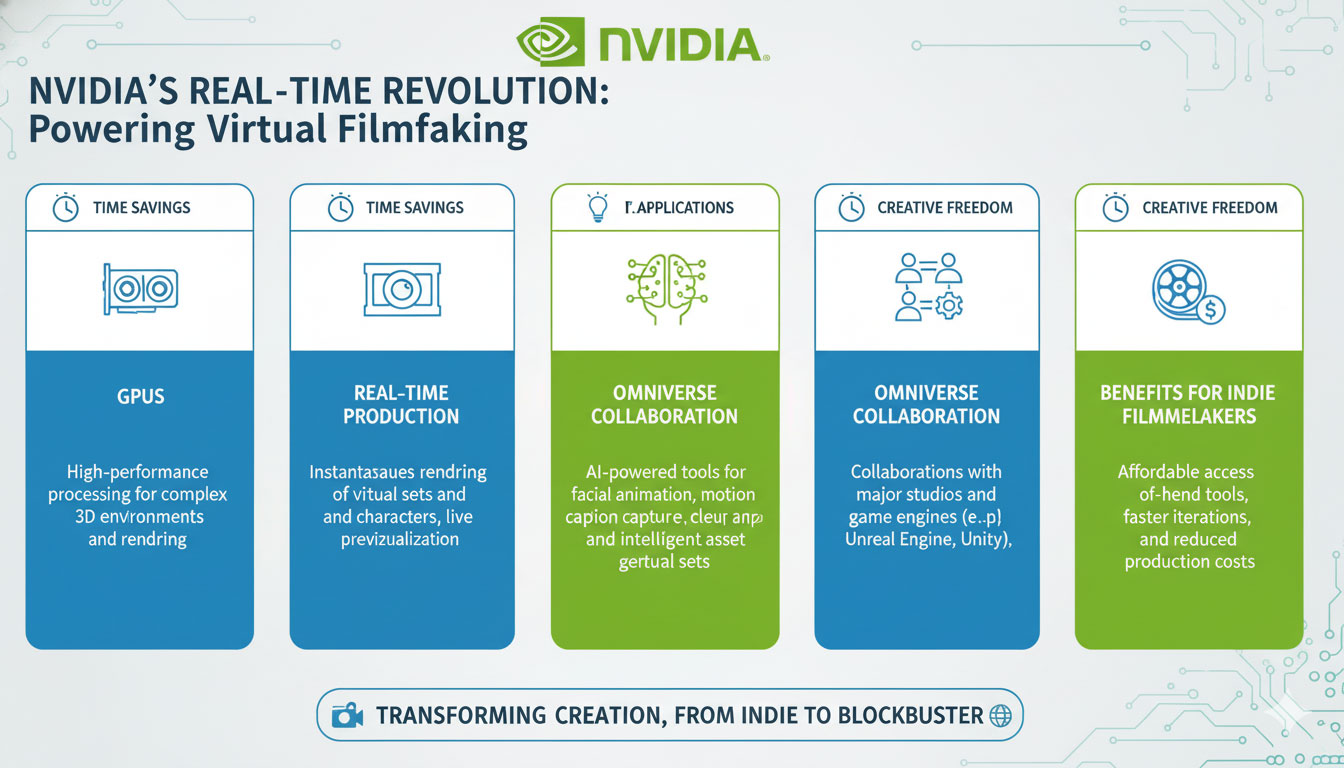
AI and Machine Learning in Filmmaking
Recent Nvidia News underscores the role of AI in automating complex visual effects tasks. Machine learning models can now assist in:
- Automated Rotoscoping: AI identifies objects in frames, simplifying background replacement and compositing.
- Character Animation: Deep learning predicts realistic movement patterns for digital characters.
- Texture Generation: AI tools create high-fidelity textures from low-resolution inputs, accelerating asset production.
- Scene Optimization: Intelligent sampling reduces computation time while maintaining image fidelity.
More: The Future of Virtual Production with NVIDIA Omniverse …
These AI-driven processes allow smaller studios to produce cinematic-quality visuals without extensive hardware or large teams, democratizing access to high-end production.
Nvidia’s Industry Partnerships and Ecosystem
Nvidia has also strengthened its position through strategic collaborations with major industry players. Recent partnerships highlighted in Nvidia News include:
| Partner | Collaboration | Filmmaking Impact |
|---|---|---|
| Epic Games | Unreal Engine optimization | Real-time rendering integration with RTX GPUs |
| Adobe | Creative Cloud enhancements | AI-powered denoising and GPU acceleration in After Effects |
| Autodesk | Maya and 3ds Max acceleration | Optimized rendering and interactive asset management |
| ILM (Industrial Light & Magic) | Virtual production research | Development of next-gen LED volume techniques |
By embedding itself within the professional ecosystem, Nvidia ensures its tools remain central to emerging workflows in film and visual effects.
Implications for Independent Filmmakers
The democratization of virtual production tools is particularly transformative for independent creators. With access to Nvidia’s AI and real-time rendering platforms, small studios and individual filmmakers can:
- Produce high-quality visuals with limited budgets.
- Experiment with previsualization techniques traditionally reserved for blockbuster productions.
- Rapidly iterate storyboards and scene compositions without physical sets.
This accessibility fosters creativity, enabling experimentation and innovation previously constrained by resources and rendering time.
Challenges and Considerations
Despite the promise of Nvidia’s technologies, filmmakers must navigate certain challenges:
- Hardware Costs: High-end GPUs remain a significant investment, particularly for small studios.
- Learning Curve: Mastery of platforms like Omniverse and advanced rendering techniques requires training and practice.
- Software Integration: Compatibility with existing production pipelines may vary, requiring workflow adjustments.
Careful planning and phased adoption can mitigate these challenges while allowing studios to fully leverage Nvidia’s innovations.
Looking Ahead: The Future of Virtual Filmmaking
The trajectory outlined by Nvidia News suggests a future where virtual production, AI-assisted workflows, and collaborative platforms converge to create immersive filmmaking experiences. Key trends likely to shape the industry include:
- Hybrid Workflows: Combining real-time production with traditional post-production techniques.
- Global Collaboration: Teams across continents contributing to a single virtual set.
- Dynamic Content Creation: Adaptive visuals for interactive media and virtual reality applications.
- Sustainability: Reduced reliance on physical sets decreases production costs and environmental impact.
As these trends unfold, Nvidia’s role as both a technology provider and creative enabler will likely expand, influencing how stories are told and visualized.
Recent Nvidia News demonstrates the company’s significant impact on virtual filmmaking. By providing powerful GPUs, AI-driven tools, and collaborative platforms, Nvidia is enabling faster, more flexible, and creative production workflows. From blockbuster studios to independent creators, the integration of these technologies marks a transformative era in cinematic storytelling. Filmmakers embracing these tools can anticipate unprecedented efficiency, realism, and innovation, redefining what is possible in both virtual and hybrid production environments.


