
How to Choose the Perfect Entertainment Center for Any Living Room ? In contemporary living spaces, furniture is no longer judged solely by appearance. It is evaluated by how effectively it supports daily routines, integrates technology, and adapts to spatial constraints. Among these elements, the tertainment Center has emerged as a focal point of modern interior design, shaping both how a living room functions and how it feels.
Once considered a simple television stand, the Entertainment Center now performs multiple roles. It houses screens, sound systems, gaming consoles, streaming devices, books, decorative objects, and sometimes even work-related equipment. As living rooms increasingly serve as hybrid spaces for leisure, socializing, and remote work, choosing the right unit requires thoughtful planning rather than impulse buying.
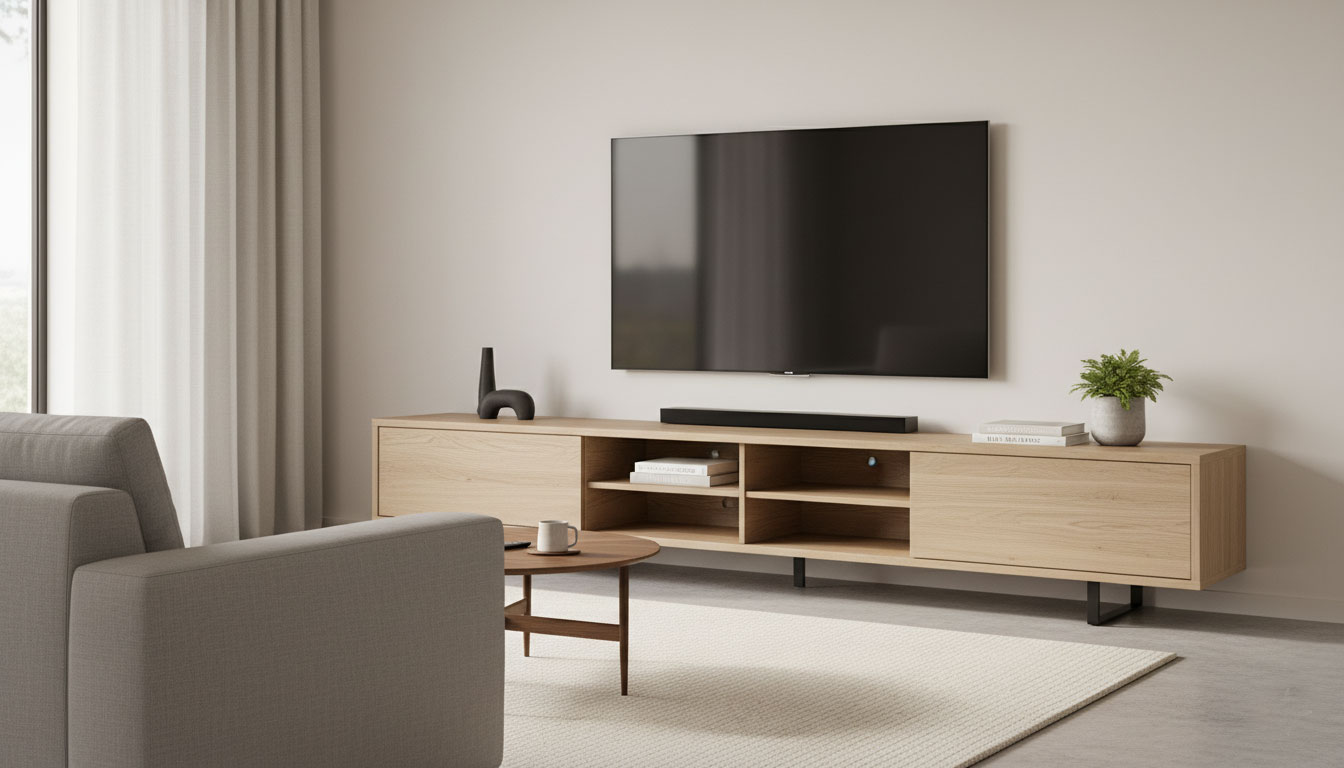
This guide examines how homeowners can make informed decisions when selecting a tertainment Center, aligning practical requirements with design sensibilities and long-term usability.
Understanding Your Living Room Layout
Why Layout Dictates Furniture Choices
Every living room tells a spatial story. The size of the room, the position of doors and windows, ceiling height, and traffic flow all influence what kind of tertainment Center will work effectively. Ignoring these factors can result in overcrowding, poor viewing angles, or underutilized storage.
In compact apartments, for example, wall-mounted units or slim-profile designs can preserve floor space. In contrast, larger rooms can accommodate expansive units that double as design statements. The relationship between seating distance and screen size is also crucial, as it determines how high and wide the unit should be.
Fixed vs. Flexible Layouts
Some living rooms have fixed layouts dictated by architectural constraints, such as built-in shelving or load-bearing walls. Others offer flexibility, allowing furniture to be rearranged as needs evolve. A modular tertainment Center is often better suited to flexible spaces, as components can be reconfigured or expanded over time.
Matching Function With Lifestyle: Perfect Entertainment Center
Assessing Daily Usage
Before considering aesthetics, it is essential to evaluate how the tertainment Center will be used. A household that primarily streams television and movies will have different requirements than one that includes avid gamers, collectors, or families with children.
Key questions to consider include:
- How many electronic devices need to be stored?
- Is closed storage necessary to hide clutter?
- Will the unit need to support heavy equipment, such as large speakers or amplifiers?
Answering these questions helps narrow choices and prevents costly mistakes.
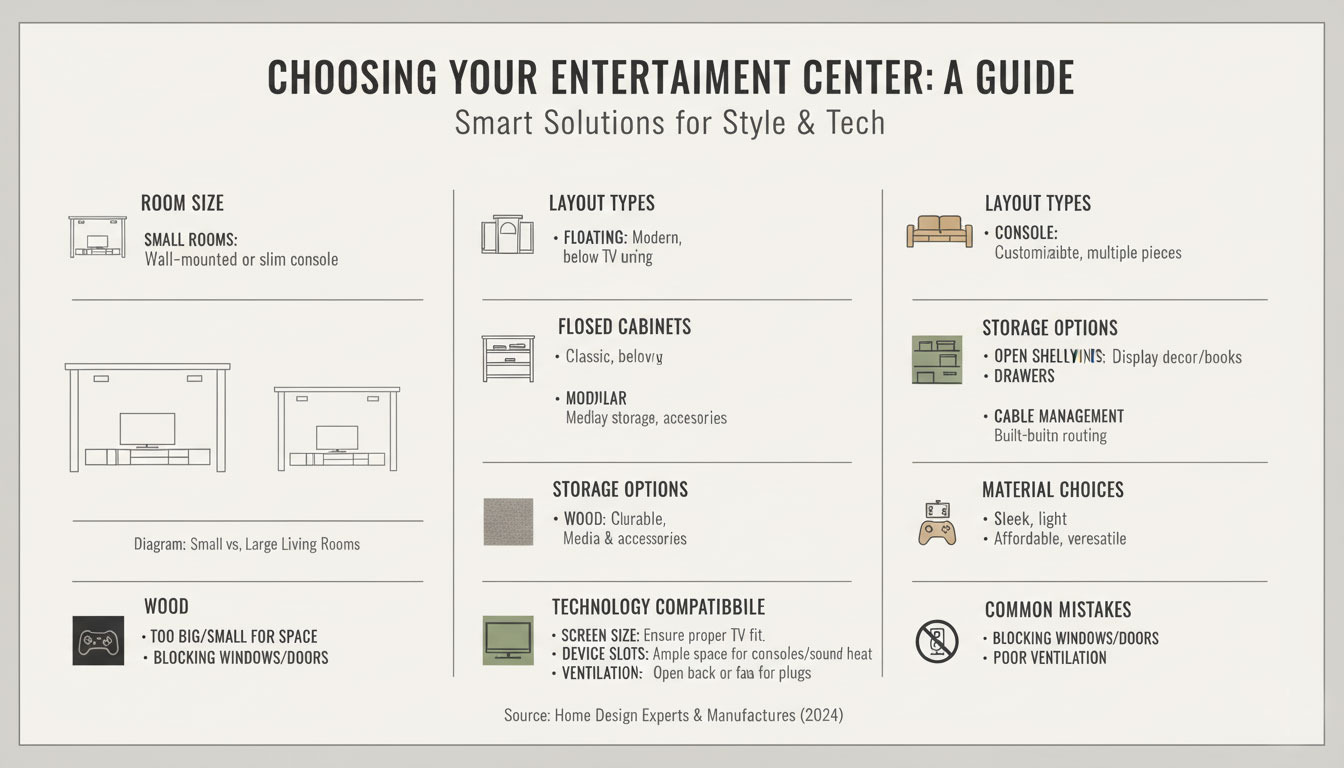
Storage as a Strategic Asset
Storage capacity is one of the defining features of a well-designed tertainment Center. Drawers and cabinets provide concealed space for cables, controllers, and accessories, while open shelves offer visibility and easy access.
A balance between open and closed storage often works best. Too much open shelving can make a space feel cluttered, while excessive closed cabinetry may feel visually heavy.
Materials, Durability, and Craftsmanship
Common Material Choices
The longevity and appearance of a Entertainment Center depend largely on the materials used. Solid wood offers durability and timeless appeal but often comes at a higher cost. Engineered wood, such as MDF or plywood, provides affordability and consistency, making it a popular choice in contemporary furniture.
Metal frames and glass panels are common in minimalist or industrial designs, offering a sleek look but requiring careful maintenance.
Evaluating Build Quality
Beyond materials, construction quality matters. Reinforced joints, smooth drawer mechanisms, and stable bases indicate thoughtful craftsmanship. A poorly built Entertainment Center may sag under the weight of electronics or show signs of wear within a short period.
Design Aesthetics and Interior Harmony
Aligning With Interior StyleA Entertainment Center should complement the broader design language of the living room. In minimalist interiors, clean lines and neutral tones create visual harmony. Traditional spaces may benefit from detailed woodwork and warmer finishes.
Color selection also plays a role. Lighter finishes can make small rooms feel larger, while darker tones add depth and contrast in spacious settings.
More: Sophie Kinsella: Clarifying False Death Reports and Her Literary Legacy
Visual Balance and Proportion
Oversized units can overwhelm a room, while undersized ones may look insignificant. Proportion is key. The width of the Entertainment Center should generally align with or slightly exceed the width of the television, creating a balanced visual anchor.
Technology Integration and Future-Proofing
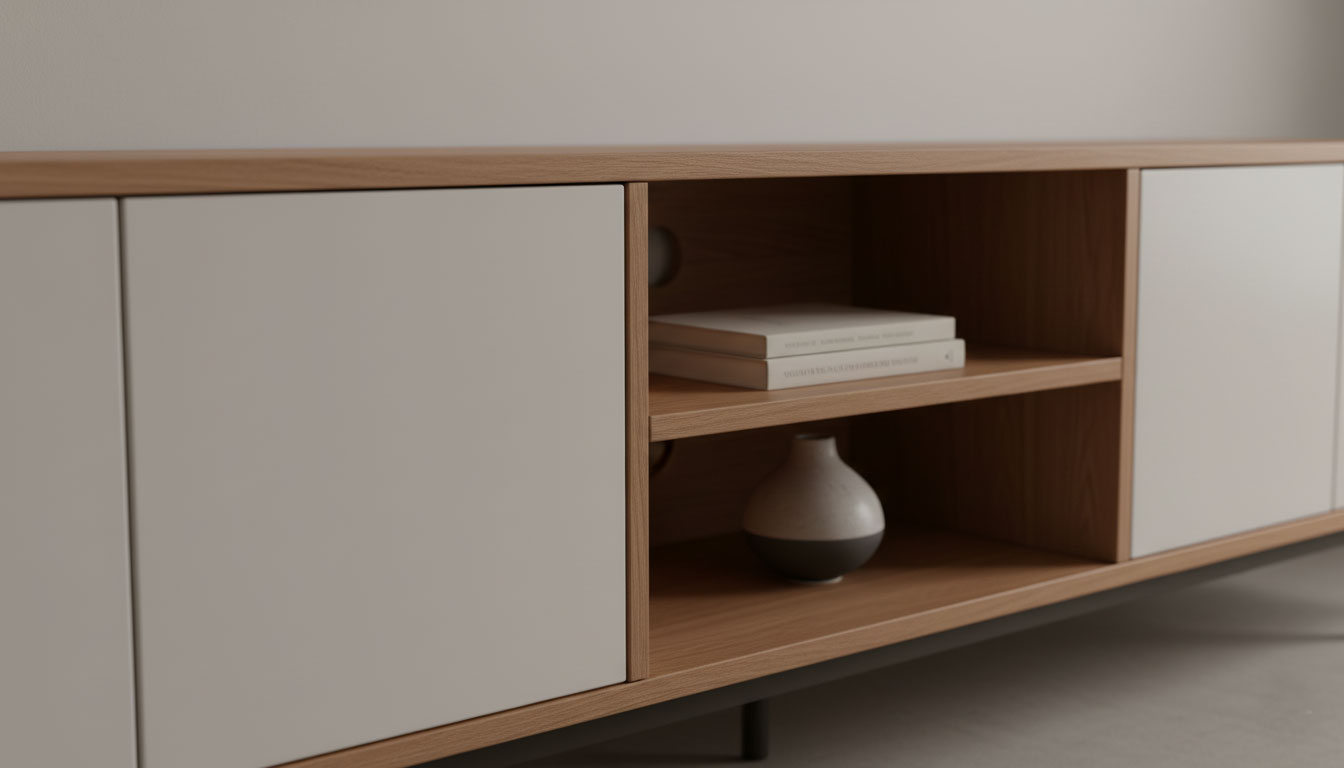
Cable Management and Ventilation
Modern living rooms often include multiple electronic devices, each with its own set of cables. Effective cable management is a critical feature of any Entertainment Center, helping maintain a clean and organized appearance.
Ventilation is equally important. Enclosed cabinets should allow airflow to prevent overheating, particularly for gaming consoles and audio equipment.
Adapting to Changing Technology
Technology evolves rapidly. A well-designed Entertainment Center anticipates future upgrades by offering adjustable shelves and ample space for additional devices. Investing in adaptability reduces the likelihood of needing replacement furniture within a few years.
Key Information Table On Choosing the Right Entertainment Center
| Factor | Why It Matters | Practical Considerations |
|---|---|---|
| Room Size | Determines scale and placement | Measure wall width and viewing distance |
| Storage Needs | Affects organization | Balance open and closed storage |
| Material | Influences durability | Solid wood vs. engineered wood |
| Technology | Supports modern devices | Cable management, ventilation |
| Style | Impacts visual harmony | Match with interior design theme |
Budgeting Without Compromising Value
Setting a Realistic Budget
The cost of a Entertainment Center can vary widely depending on size, material, and design complexity. Establishing a budget early helps filter options and prevents overspending.
However, the lowest-priced option is rarely the most economical in the long run. Furniture that deteriorates quickly often leads to replacement costs that exceed initial savings.
Balancing Cost and Longevity
Mid-range options often strike the best balance between affordability and durability. Prioritizing essential features over decorative extras ensures better value and longer usability.
Sustainability and Responsible Choices
Eco-Friendly Materials
As environmental awareness grows, many consumers are considering sustainability when selecting furniture. A Entertainment Center made from responsibly sourced wood or recycled materials reduces environmental impact without sacrificing quality.
Longevity as Sustainability
Choosing durable, timeless designs contributes to sustainability by reducing waste. Furniture that remains functional and visually relevant over time is less likely to end up in landfills.
Common Mistakes to Avoid
Ignoring Measurements
One of the most frequent mistakes is failing to measure accurately. A Entertainment Center that does not fit the intended space can disrupt room flow and require costly returns or modifications.
Prioritizing Style Over Function
While appearance matters, functionality should not be overlooked. A visually striking unit that lacks adequate storage or cable management can quickly become frustrating.
Making the Final Decision
Selecting the right Entertainment Center is not about following trends but about aligning furniture choices with personal needs and spatial realities. A thoughtful approach considers layout, lifestyle, material quality, and future adaptability.
In many ways, the Entertainment Center reflects how people live today. It supports entertainment, organization, and design expression in equal measure. When chosen carefully, it becomes more than a piece of furniture. It becomes an integral part of the home.


