
Rob Reiner Death Hoax Exposed as Director Publicly Denies Claims.False reports claiming the death of filmmaker Rob Reiner circulated widely across social media platforms, prompting confusion among fans and renewed scrutiny of how misinformation spreads online. The rumors, which gained traction within hours, were ultimately debunked by Reiner himself, who confirmed that he was alive and well.
The episode surrounding the Rob Reiner Death hoax follows a familiar digital pattern. A misleading post appears on an unverified account, is amplified through reposts and algorithmic exposure, and quickly reaches audiences far beyond its original source. By the time authoritative corrections emerge, the falsehood has often already traveled globally.
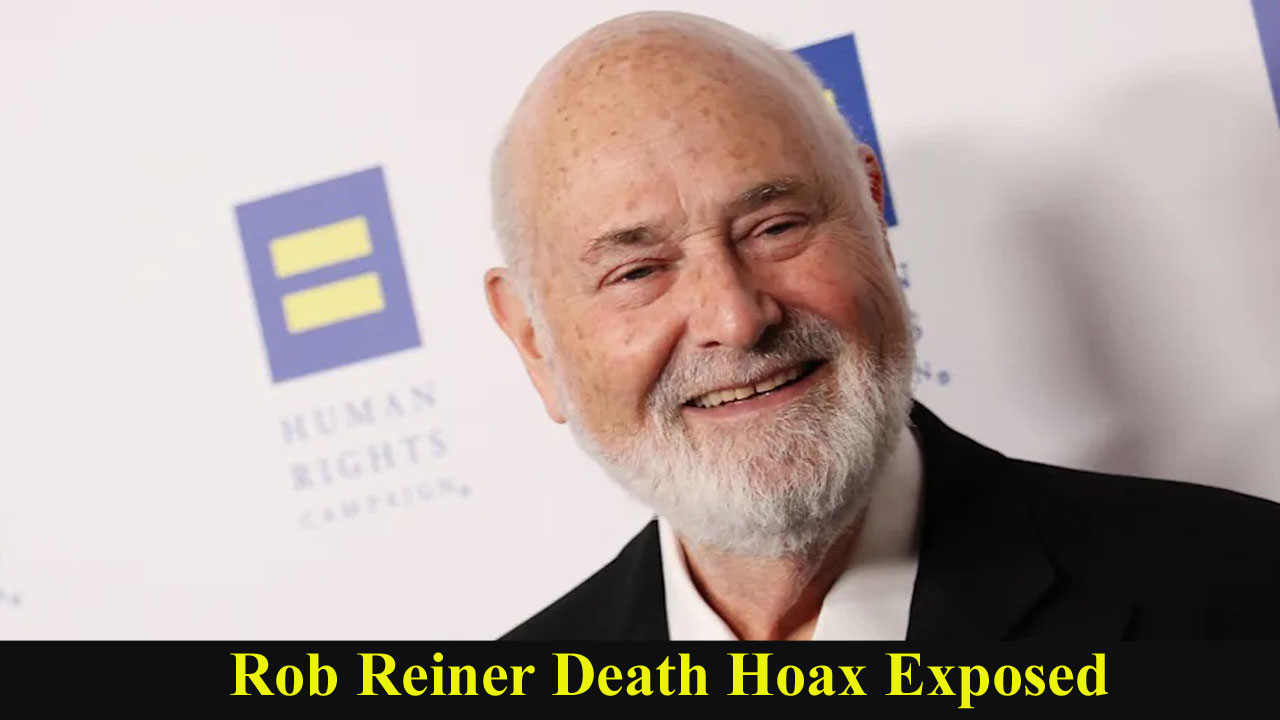
For public figures, such incidents are unsettling. For the broader public, they offer a revealing case study in the mechanics of modern misinformation.
Who Is Rob Reiner and Why the Claim Spread Quickly?
Rob Reiner is a prominent figure in American film and television, known for directing and producing some of Hollywood’s most enduring works. His long career, public visibility, and active engagement in political and cultural commentary make him a frequent subject of online discussion.
When rumors of Rob Reiner Death began circulating, many users encountered the claim without context, attribution, or credible sourcing. The familiarity of his name, combined with the emotional weight of death announcements, made the false reports particularly potent.
Misinformation researchers note that celebrity-related rumors often spread faster than policy or economic news because they evoke strong emotional responses and invite immediate sharing.
How the Hoax Emerged?
While the precise origin of the rumor remains unclear, the structure of the claim followed a recognizable template:
- A brief, declarative statement asserting death
- No citation of official sources or reputable media
- Use of emotionally charged language designed to prompt sharing
Within minutes, screenshots and reposts began appearing across platforms. The Rob Reiner Death claim was repeated without verification, illustrating how speed frequently outweighs accuracy in online ecosystems.
Rob Reiner’s Public Response
The hoax was conclusively debunked when Rob Reiner addressed the rumor directly. Through public communication, he made clear that reports of his death were false, effectively halting further speculation from credible outlets.
Such direct intervention is often the fastest way to neutralize viral falsehoods involving public figures. In the case of the Rob Reiner Death rumor, confirmation from the subject himself removed any remaining ambiguity.
However, media analysts point out that individuals should not be expected to constantly disprove misinformation about their own lives. The burden of verification, they argue, lies primarily with platforms, publishers, and users.
Key Information Table On: Rob Reiner Death Hoax Overview
| Aspect | Details |
|---|---|
| Claim | False report of Rob Reiner’s death |
| Source | Unverified online accounts |
| Verification | Public denial by Rob Reiner |
| Media Response | Fact-checking and clarification |
| Outcome | Hoax debunked |
This summary underscores how quickly unverified claims can escalate before being corrected.
The Mechanics of Celebrity Death Hoaxes
The Rob Reiner Death incident is part of a broader phenomenon that has affected actors, musicians, writers, and political figures worldwide. Death hoaxes persist because they exploit several structural weaknesses in digital communication.

Why These Hoaxes Persist?
- Algorithms prioritize engagement over accuracy
- Users often share before verifying
- False claims are easier to produce than fact-checked reports
- Corrections travel more slowly than initial rumors
Despite improvements in platform moderation, these vulnerabilities remain deeply embedded in the architecture of social media.
Media Responsibility and Verification Standards
Reputable news organizations did not report the Rob Reiner Death claim as fact, adhering instead to long-established verification standards. This restraint highlights the continuing importance of professional journalism in an era of viral misinformation.
Newsrooms typically require:
- Confirmation from official representatives
- Multiple independent sources
- On-the-record statements or documentation
By contrast, social media rumors often bypass these safeguards entirely, relying on repetition rather than evidence to establish credibility.
The Role of Social Media Platforms
Technology companies have faced growing pressure to address the rapid spread of false information. The Rob Reiner Death hoax illustrates the limitations of existing moderation systems, particularly for sudden, trending claims involving well-known individuals.
Platforms have introduced measures such as:
- Context labels and warning notices
- Reduced visibility for disputed content
- Partnerships with fact-checking organizations
Still, enforcement is uneven, and false reports frequently circulate widely before corrective mechanisms activate.
Psychological Impact on Public Figures
Although death hoaxes may appear trivial to some users, they can have real emotional consequences. Friends, family members, and colleagues may encounter the rumor unexpectedly, leading to distress and confusion.
In cases like the Rob Reiner Death hoax, the individual targeted must also contend with reputational implications and the burden of public clarification. Experts argue that repeated exposure to such incidents contributes to digital fatigue and erodes trust in online information environments.
Public Reaction and Media Literacy
Public reaction to the rumor ranged from alarm to skepticism. Many users quickly questioned the credibility of the source, while others shared the claim uncritically.
The episode has renewed calls for stronger media literacy education. Understanding how to evaluate sources, cross-check information, and recognize manipulation tactics is increasingly viewed as a core civic skill.
The spread of the Rob Reiner Death rumor demonstrates how easily misinformation can exploit gaps in digital literacy, even among otherwise informed audiences.
Fact-Checking in Real Time
Independent fact-checkers and journalists played a key role in debunking the hoax. By rapidly confirming Rob Reiner’s public denial, they provided authoritative reference points for users seeking clarity.
However, research shows that corrections often reach fewer people than the original falsehood. In the case of Rob Reiner Death, the corrective information eventually prevailed, but only after significant online circulation of the rumor.
Broader Implications for Information Trust
The incident reflects a deeper challenge facing digital societies: the erosion of trust in information channels. When false claims circulate alongside verified news with little distinction, audiences can struggle to discern reality.
The Rob Reiner Death hoax reinforces the argument that credibility must be actively maintained through transparency, accountability, and institutional standards. Without these, misinformation fills the vacuum.

What Readers Can Do?
Experts recommend several steps for individuals encountering breaking claims online:
- Pause before sharing emotionally charged news
- Check whether reputable outlets are reporting the same information
- Look for direct confirmation from official or primary sources
- Be cautious of screenshots or unattributed posts
These practices, while simple, can significantly reduce the spread of false information like the Rob Reiner Death rumor.
A Familiar Pattern With Enduring Consequences
Although the hoax was short-lived, it fits a recurring pattern that shows no signs of disappearing. As long as digital platforms reward speed and engagement, similar incidents are likely to recur.
For Rob Reiner, the false report was quickly resolved. For the public, it serves as another reminder of how easily truth can be distorted in the modern media environment.
The viral spread and rapid debunking of the Rob Reiner Death hoax underscore both the fragility and resilience of today’s information ecosystem. While misinformation can circulate at unprecedented speed, credible journalism and direct verification remain powerful correctives.
Ultimately, the episode is less about one individual and more about the systems that allow falsehoods to thrive. Strengthening media literacy, reinforcing journalistic standards, and demanding greater accountability from digital platforms will be essential to preventing similar incidents in the future.


