
6.9-Magnitude Aftershock Strikes Japan, Triggering Tsunami Warnings.Japan’s eastern coastal regions experienced a 6.9-magnitude aftershock early Sunday, prompting immediate tsunami warnings and emergency protocols across multiple prefectures. Authorities are urging residents to remain vigilant and follow evacuation directives as aftershocks continue to rattle the earthquake-prone nation.
The Japan Meteorological Agency (JMA) confirmed the aftershock struck at 3:42 a.m. local time, with an epicenter located off the northeastern coast near Sendai, at a depth of approximately 40 kilometers. Although no casualties have yet been reported, structural damage, power outages, and transportation disruptions are being assessed.

Sequence of Seismic Activity
This aftershock follows a major earthquake that struck the region two days prior, which registered a magnitude of 7.2. Aftershocks are common in the hours and days following a significant seismic event and can often reach magnitudes above 6.0.
KEY Timeline Table On: Recent Earthquake Events
| Date & Time (Local) | Magnitude | Location | Observations / Warnings |
|---|---|---|---|
| 2 days ago, 1:15 a.m. | 7.2 | Offshore Sendai | Initial tsunami alert issued |
| Early today, 3:42 a.m. | 6.9 | Off Sendai coast | Tsunami warning issued; evacuations underway |
| Ongoing | Minor quakes | Northeastern Japan | Continuous aftershock monitoring by JMA |
Experts note that aftershocks of this scale can exacerbate damage to already weakened structures and trigger landslides in hilly regions, particularly in areas affected by prior tremors.
Tsunami Warnings and Emergency Measures
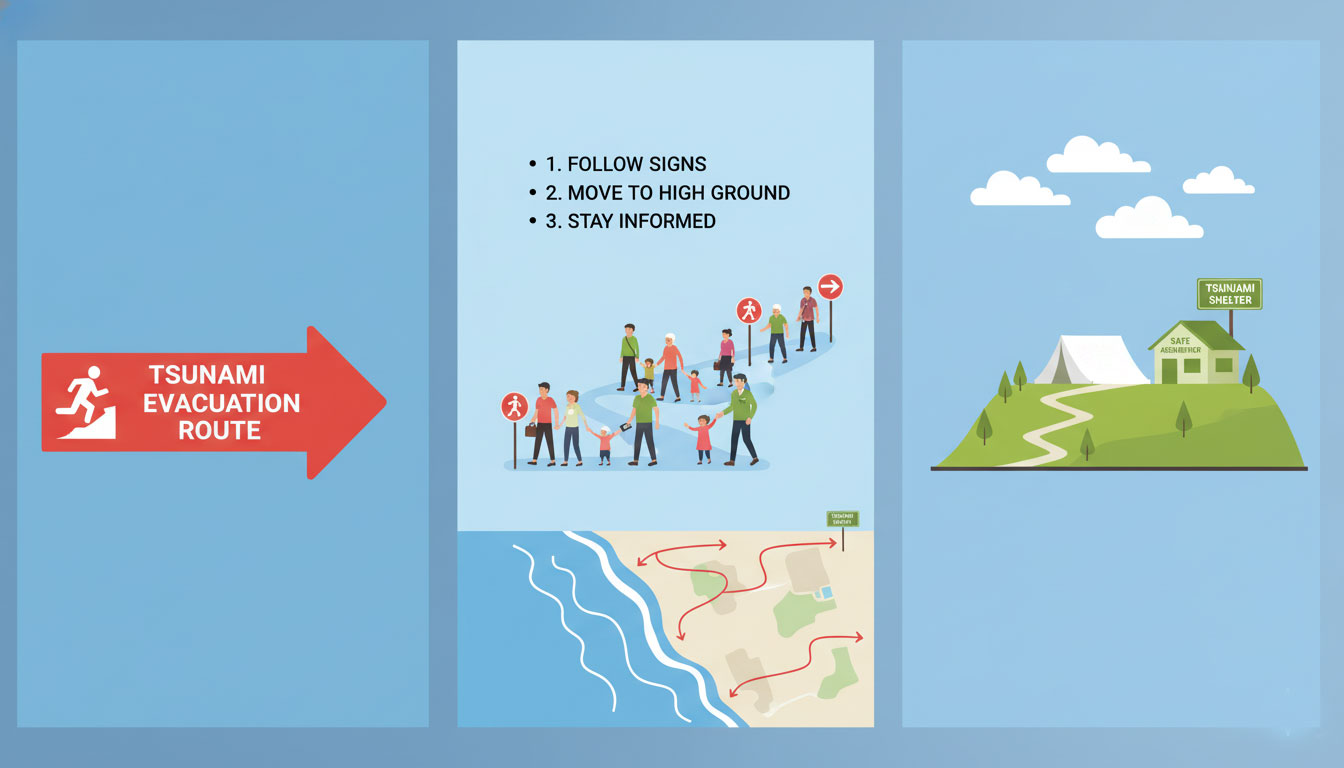
The JMA issued a tsunami warning for low-lying coastal areas of Miyagi, Fukushima, and Iwate prefectures. Residents are advised to evacuate to higher ground and avoid coastal roads until authorities lift the advisory.
Emergency response teams have mobilized across the affected regions, including:
- Deployment of Japan Self-Defense Forces for evacuation assistance
- Coast guard patrols to monitor potential wave activity
- Activation of emergency shelters and community support centers
Authorities emphasized that while the tsunami risk remains localized, residents should exercise caution and heed official guidance.
Historical Context: Japan’s Seismic Vulnerability
Japan lies along the Pacific “Ring of Fire,” a region of frequent seismic activity caused by the convergence of multiple tectonic plates. Historically, Japan has experienced devastating earthquakes, including:
- 2011 Tōhoku Earthquake: Magnitude 9.0, causing widespread tsunami devastation and Fukushima nuclear crisis
- 1995 Kobe Earthquake: Magnitude 6.9, resulting in significant urban destruction and nearly 6,500 fatalities
These historical precedents underscore the importance of continuous monitoring, disaster preparedness, and resilient infrastructure in mitigating the impact of seismic events.
Potential Impacts of the 6.9-Magnitude Aftershock
While immediate casualties have not been reported, potential consequences of the aftershock include:
- Structural Damage: Older buildings and weakened structures from previous tremors may experience further damage.
- Power and Utility Disruptions: Electrical grids, water supply, and transportation networks could face temporary outages.
- Economic Disruption: Businesses and transportation may be affected by safety closures and inspections.
- Psychological Impact: Repeated tremors can exacerbate anxiety and stress in affected populations.
Seismologists continue to monitor aftershock patterns closely, noting that multiple smaller tremors often follow larger quakes and can persist for days or weeks.
Expert Analysis and Public Guidance
Seismology experts emphasize that residents should remain informed via official channels such as the JMA and local authorities. Key guidance includes:
- Evacuation Preparedness: Identify safe routes and emergency shelters.
- Safety Measures: Secure furniture and heavy objects indoors to minimize risk during aftershocks.
- Communication Plans: Maintain phone and emergency contact readiness.
- Community Coordination: Neighbors and local volunteers often play critical roles in assisting vulnerable populations.
Dr. Hiroshi Tanaka, a leading seismologist at the University of Tokyo, noted:
“Aftershocks like today’s 6.9 tremor are reminders that earthquake preparedness cannot be reactive. Early warning systems and community readiness are vital to minimize loss of life.”

Key Information Table On: Aftershock Overview
| Parameter | Details |
|---|---|
| Magnitude | 6.9 |
| Epicenter | Off the coast of Sendai, Miyagi Prefecture |
| Depth | ~40 km |
| Time of Occurrence | 3:42 a.m. JST |
| Tsunami Warning | Issued for Miyagi, Fukushima, Iwate |
| Casualties | None reported as of latest update |
| Structural Impact | Assessments ongoing; minor damage expected |
| Emergency Response | Evacuations, shelters, Self-Defense Forces mobilized |
| Historical Seismic Context | 2011 Tōhoku 9.0, 1995 Kobe 6.9 |
| Monitoring Authority | Japan Meteorological Agency (JMA) |
International Observations
Global earthquake monitoring agencies, including the Pacific Tsunami Warning Center and US Geological Survey, are tracking seismic activity and providing situational updates. International aid protocols remain on standby, though Japan’s extensive disaster preparedness infrastructure ensures rapid local response.
Neighboring countries and shipping routes in the Pacific have been alerted to potential minor tsunami waves and instructed to maintain vigilance.
The Aftershock Strikes Japan highlights the persistent seismic risks faced by the nation and underscores the importance of continuous monitoring, rapid emergency response, and public awareness. While no casualties have yet been reported, authorities continue to emphasize caution and preparedness in affected regions.
As Japan remains under close watch by seismologists, this aftershock serves as a reminder of the ongoing challenges posed by living in one of the world’s most earthquake-prone regions. Residents and officials alike are urged to remain alert as aftershock activity continues to unfold.


