
Graham Greene, the acclaimed Indigenous Canadian actor known for his powerful performances, including his Oscar-nominated role in Dances With Wolves, has passed away at 73. His career spanned nearly five decades, leaving an indelible mark on Hollywood and Canadian cinema.
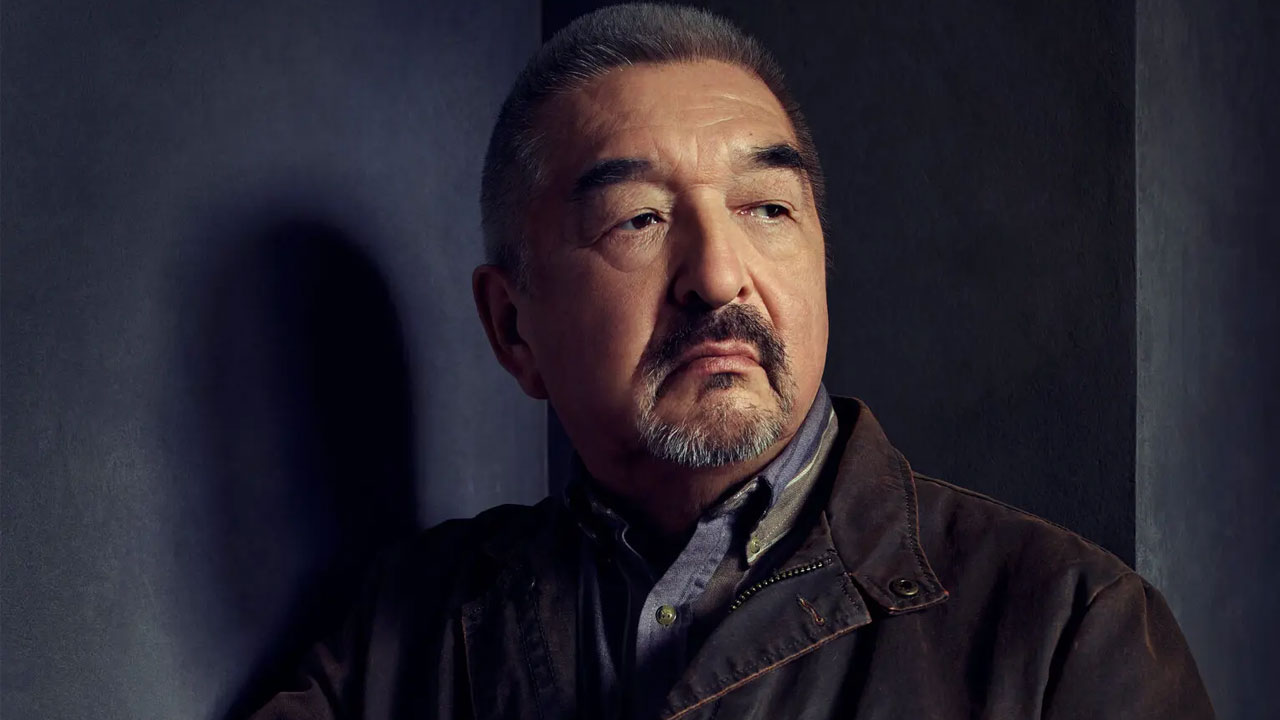
A Legacy of Authentic Storytelling
Graham Greene, a distinguished member of the Oneida First Nation, died on Monday in Stratford, Ontario, at the age of 73. His passing was confirmed by his agent, Gerry Jordan. Greene’s illustrious career was marked by his unwavering commitment to his craft and his pride in his heritage. He was celebrated for bringing depth and authenticity to his roles, particularly those that portrayed Indigenous peoples.
Greene’s breakthrough came with his poignant performance as Kicking Bird, a medicine man, in Kevin Costner’s 1990 epic, Dances With Wolves. The role earned him an Academy Award nomination for Best Supporting Actor and solidified his status as a formidable talent. The film itself was a monumental success, winning seven Oscars, including Best Picture, and catapulted Greene into the Hollywood spotlight.
A Versatile Career on Screen and Stage
Following his breakout success, Greene became a familiar face in a number of major Hollywood productions. He showcased his versatility in a range of genres, from action and drama to fantasy. Audiences will remember his roles in films like Maverick (1994) and Die Hard with a Vengeance (1995), where he shared the screen with some of the biggest names in the industry. He also delivered a memorable and heartbreaking performance as Arlen Bitterbuck in the critically acclaimed 1999 film The Green Mile.
Despite his Hollywood success, Greene remained rooted in Canada. He often expressed his preference for his home country, stating, “I was born in Canada and I’m here to stay, and that’s it,” when he received Canada’s Governor General’s Award for lifetime achievement. He was a champion of Indigenous arts and continued to be active in both Canadian theater and film throughout his career.
A Trailblazer for Indigenous Talent
Born on June 22, 1952, on the Oneida Reserve in southwestern Ontario, Greene’s journey to acting was a unique one. He initially worked as a welder, carpenter, and audio engineer before pursuing his passion for acting, graduating from the Center for Indigenous Theater in Toronto in 1974. His early career included roles in Canadian television and film before his eventual rise to international fame.
Greene’s contributions to the arts were recognized with numerous honors, including his appointment to the Order of Canada in 2016 and a star on Canada’s Walk of Fame in 2022. He was a source of inspiration for a new generation of Indigenous actors and storytellers. “There are a lot more Indigenous writers and actors, a lot of young kids coming up who are breaking into the industry. It’s great to see that,” he once said, reflecting on the progress he had witnessed.
Final Roles and Lasting Impact
In his final years, Greene remained a vibrant presence in both film and television. He appeared in popular series such as Reservation Dogs and The Last of Us, and his final two films, Ice Fall and Afterwards, are set to be released later this year. His legacy is one of not just cinematic achievement but also of cultural advocacy. He is survived by his wife, Hilary Blackmore, his daughter, Lilly Lazare-Greene, and a grandson, Tarlo. Graham Greene’s passing marks the end of an era for a true icon of Indigenous and Canadian cinema, whose work will continue to inspire audiences for years to come.


