
A analysis of the mobile landscape and the defining smartphones coming in 2026. From Apple’s potential foldable debut to Samsung’s 2nm chip architecture, we explore the future of connectivity.
The trajectory of mobile technology is shifting from iterative updates to fundamental structural changes. As the industry looks toward the latter half of the decade, hardware manufacturers are prioritizing silicon efficiency, generative AI integration, and novel form factors. The year 2026 represents a critical juncture where established giants like Apple and Samsung, alongside aggressive innovators like Xiaomi and Oppo, are set to redefine the capabilities of handheld computing.
Current industry intelligence suggests a competitive landscape defined by the transition to 2nm process technology, the normalization of ultra-high-resolution sensors, and the maturation of foldable displays. This analysis details the technical specifications and market positioning of the most significant smartphones coming in 2026.
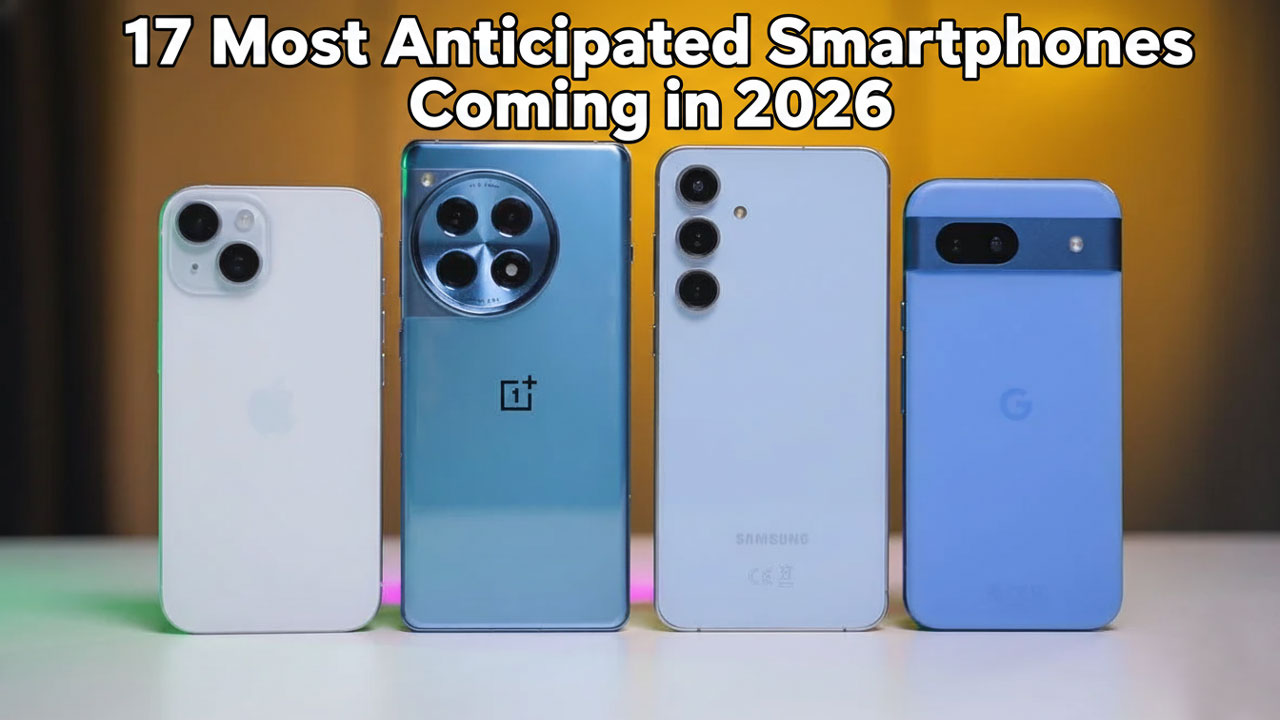
Apple: Silicon Dominance and Form Factor Evolution
Apple’s roadmap for 2026 suggests a dual focus: refining the traditional slab smartphone to professional standards and potentially entering the foldable market, a sector currently dominated by its competitors.
The iPhone 18 Pro and Pro Max
The forthcoming iPhone 18 Pro and Pro Max are expected to leverage the A20 Pro chipset, a processor built on TSMC’s advanced 2nm process technology. This architectural leap promises a 15 percent increase in processing speed while optimizing thermal efficiency and battery consumption compared to the A19 predecessor.
Visually, Apple is moving toward larger canvases. The Pro model is slated to expand to 6.3 inches, while the Pro Max will stretch to 6.9 inches. A significant design evolution involves the integration of Face ID sensors directly beneath the display, further reducing the footprint of the Dynamic Island and moving closer to a true all-screen aesthetic.
The camera system represents a substantial upgrade in optical engineering. The iPhone 18 series will reportedly incorporate a variable aperture lens—a feature allowing mechanical adjustment of the lens opening to control light intake and depth of field, akin to professional DSLRs. Furthermore, Apple is adopting a three-layer stacked image sensor, technology pioneered by Samsung, to drastically improve signal-to-noise ratios in low-light environments. Aesthetics have not been overlooked, with the lineup expected to feature distinct colorways such as coffee, purple, and burgundy.
The Apple iPhone Fold
After years of speculation, the Apple iPhone Fold is rumored for a September 2026 debut, potentially aligning with the iPhone 18 launch window. However, supply chain reports, including those from The Elec, urge caution, suggesting production variables could push the timeline to 2027.
The device is expected to adopt a “book-style” folding mechanism similar to the Galaxy Z Fold series. The proposed specifications include:
- External Cover Screen: 5.5 inches.
- Internal Foldable Display: 7.8 inches with ultra-thin glass.
- Chassis: A hinge constructed from titanium, stainless steel, and liquid metal for maximum durability, measuring just 4.5mm in thickness when folded.
- Imaging: A dual 48MP camera system (main and ultrawide), notably omitting a telephoto lens to maintain a slim profile.
Priced between $1,800 and $2,500, the device will utilize Touch ID rather than Face ID for biometric security and will be powered by a Snapdragon 8 Elite Gen 5 processor, marking a rare divergence in Apple’s silicon strategy if accurate.
Samsung: Pushing the Boundaries of Display and Optics
Samsung continues to drive the Android ecosystem, focusing on raw performance metrics and the refinement of its pioneering foldable line.
Galaxy S26 Series
The Galaxy S26 Series will act as the flagship standard-bearer, utilizing the Snapdragon 8 Elite Gen 5 chip in select markets, while international models will likely feature the Exynos 2600. Built on a 2nm process, the Exynos 2600 is engineered specifically to mitigate overheating issues observed in previous generations.
The S26 Ultra is positioned as a photographic powerhouse, featuring a 200MP main sensor paired with an upgraded 50MP ultrawide camera. The S26 Ultra will also integrate a Sony sensor with an f/1.4 aperture, optimizing low-light performance.
Significant design changes include a thinner profile—the S26 Edge is rumored to be merely 5.5mm thick—and increased battery density, with the base model moving to 4,300 mAh. The integration of Qi2 wireless charging will standardize magnetic power transfer across the lineup.
Galaxy Z Fold 8 and Z Flip 8
As the foldable market matures, Samsung is focusing on ergonomics. The Galaxy Z Fold 8 aims to secure the title of the thinnest and lightest foldable in the U.S. market. It will feature a 5,000 mAh battery—a notable increase from the Z Fold 3’s 4,400 mAh—and potentially reintroduce S Pen support. To address the perennial issue of screen durability, Samsung is employing laser-drilling technology to minimize display creases.
Concurrently, the Galaxy Z Flip 8 will target the lifestyle segment with enhanced cover screen utility and camera upgrades, launching alongside the Fold 8 in the July–August 2026 window.
The Tri-Fold Concept Phone
Perhaps the most ambitious project among smartphones coming in 2026 is Samsung’s Tri-Fold Concept Phone. This device features a dual-hinge mechanism, allowing a 6.5-inch outer display to unfold into a massive 10-inch tablet-like interface. With a projected price point under $2,500, this device signals Samsung’s intent to lead the multi-foldable form factor.
Google: The AI-First Approach
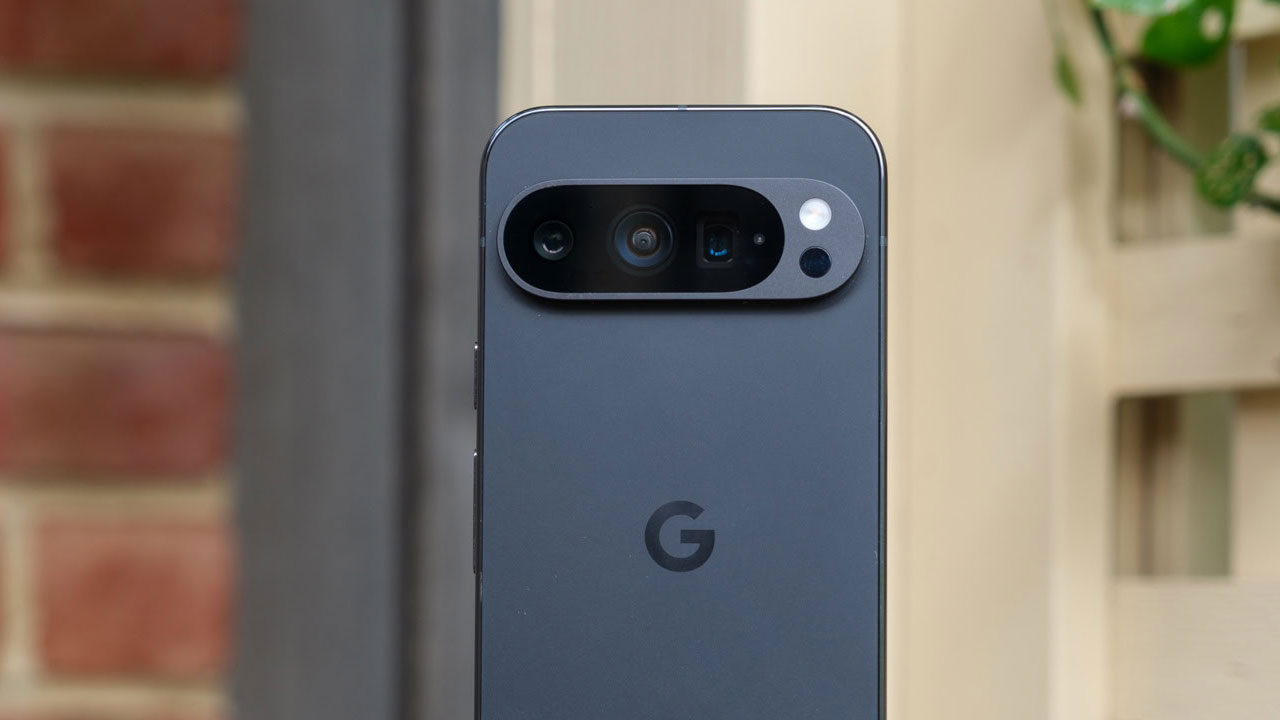
Pixel 11 Series
Google’s hardware strategy remains deeply intertwined with its software prowess. The Pixel 11 Series will introduce the Tensor G6 chip, manufactured using the TSMC 2nm process for superior energy efficiency.
The defining feature of the Pixel 11 Pro will be its telephoto capabilities, offering AI-enhanced zoom ranging from 30x to 100x. Google is also doubling down on “computational videography,” utilizing AI to reconstruct lighting data for video recording in near-dark conditions. Running on Android 16, the device reinforces Google’s commitment to software longevity and AI-driven user experiences.
The Chinese Powerhouses: Speed and Sensor Innovation
The most aggressive hardware specifications often emerge from Chinese manufacturers, who are pushing the limits of charging speeds and sensor sizes.
OnePlus 15
Scheduled for an early release on November 13, 2025, the OnePlus 15 will be among the first devices to market for the 2026 cycle. It features a massive 7,300 mAh battery, supported by 80W wired and 50W wireless charging. The display is a 6.78-inch 1.5K panel with a 165Hz refresh rate and a touch sampling rate of 3,200Hz, catering specifically to mobile gamers.
Xiaomi 17 Ultra
Xiaomi continues its partnership with Leica-adjacent innovations (implied by the focus on optics). The 17 Ultra features a quad-camera array, headlined by a 50MP main sensor with in-sensor zoom and a staggering 200MP telephoto macro lens. The device also supports 100W super-fast charging and satellite connectivity, ensuring functionality in off-grid environments.
Oppo Find X9 Ultra and Find N6
Oppo is diversifying its portfolio with both slab and foldable innovations.
- Find X9 Ultra: This device focuses on endurance with a 7,000 mAh battery and 100W charging. Its camera system utilizes variable aperture technology and optimized night portrait modes, running on the latest ColorOS.
- Find N6 Foldable: Launching in Q1 2026, this foldable emphasizes a “crease-free” hinge and a 1/1.12-inch camera sensor, directly challenging Samsung’s dominance.
Vivo X300 Ultra
Targeting the photography enthusiast, the Vivo X300 Ultra boasts dual 200MP cameras. The primary 1/1.12-inch sensor is paired with Zeiss optics and gimbal stabilization, offering unrivaled stability for video and low-light photography. It offers 2x and 4x lossless zoom, cementing its status as a dedicated imaging device.
Huawei Mate 90 Series
Despite geopolitical challenges, Huawei remains a technical force. The Mate 90 Series will debut the Kirin 9030 chipset and the next-generation XMAGE camera system. A key differentiator is the inclusion of satellite messaging, allowing global communication independent of cellular networks.
Specialized Markets: Gaming and Multimedia
Sony Xperia 1 VIII
Sony remains the choice for purists. The Xperia 1 VIII retains the 3.5mm headphone jack and microSD expansion—features largely abandoned by competitors. It centers around a 4K HDR OLED display and a dedicated physical shutter button, appealing specifically to videographers and audiophiles.
iQOO 15
Designed for e-sports, the iQOO 15 pairs the Snapdragon 8 Elite Gen 5 with an advanced cooling system to sustain peak performance. It matches the OnePlus 15 with a 165Hz display and emphasizes ultra-fast charging to minimize downtime during gaming sessions.
Key Technical Specifications Breakdown – Smartphones Coming in 2026
| Smartphone Model | Processor / Chipset | Battery Capacity | Camera Highlights | Unique Feature |
|---|---|---|---|---|
| iPhone 18 Pro | A20 Pro (2nm) | Improved Efficiency | Variable Aperture Lens | Under-display Face ID |
| Samsung S26 Ultra | Snapdragon 8 Elite Gen 5 | 4,300 mAh | 200MP Main / 50MP Ultrawide | 5.5mm Thickness (Edge) |
| Google Pixel 11 | Tensor G6 (2nm) | High Efficiency | 100x AI Zoom | AI Video Lighting |
| OnePlus 15 | Snapdragon 8 Elite Gen 5 | 7,300 mAh | Triple 50MP Setup | 165Hz Display |
| Oppo Find X9 Ultra | Snapdragon 8 Elite Gen 5 | 7,000 mAh | Variable Aperture | 100W Charging |
| Vivo X300 Ultra | Snapdragon 8 Elite Gen 5 | Standard | Dual 200MP Sensors | Zeiss Optics + Gimbal |
| Xiaomi 17 Ultra | Snapdragon 8 Elite Gen 5 | Standard | 200MP Telephoto Macro | Satellite Connectivity |
Mid-Range and Value Flagships
Realme GT8 Pro
Realme continues to disrupt the price-to-performance ratio. The GT8 Pro offers flagship-tier high-refresh-rate displays and fast charging architectures but at a price point accessible to value-conscious consumers. It is positioned as the ideal upgrade for users holding devices from the 2024–2025 cycle.
Honor Magic Pro 8
Honor is carving a niche with high-specification hardware, including up to 16GB of RAM and 1TB of storage. The Magic Pro 8 features a 200MP periscope lens and 3D face recognition, targeting the premium segment currently occupied by Huawei and Apple.
Motorola Razr 2026
Motorola remains a key player in the “flip” style foldable market. The 2026 lineup, consisting of the Razr, Razr Plus, and Razr Ultra, focuses on slimming down the hinge mechanism and expanding the utility of the outer display, directly competing with the Galaxy Z Flip 8.
Industry Trends Defining 2026
The aggregate data from these upcoming releases highlights several macro-trends that will define the mobile industry in 2026.
1. The 2nm Silicon Era The shift to 2nm process technology by TSMC, utilized by Apple’s A20 and Google’s Tensor G6, represents a massive leap in transistor density. This allows for greater computational power per watt, directly translating to extended battery life despite increasingly power-hungry AI applications.
2. The Standardisation of Qi2 Wireless charging is becoming unified under the Qi2 standard. Based on Apple’s MagSafe technology, Qi2 ensures magnetic alignment and efficient thermal management, becoming a staple across Android and iOS devices alike.
3. Satellite Connectivity Once a niche feature for extreme explorers, satellite messaging is moving mainstream. Devices like the Huawei Mate 90 and Xiaomi 17 Ultra are integrating this as a standard safety feature, ensuring connectivity in dead zones.
4. Optical Zoom and Sensor Size The “megapixel war” has evolved into a “sensor size war.” With 1-inch sensors and 200MP telephoto lenses becoming common in devices like the Vivo X300 Ultra, smartphones are increasingly encroaching on the territory of dedicated compact cameras.
As the ecosystem prepares for these releases, the smartphones coming in 2026 promise to deliver not just higher numbers on a spec sheet, but fundamental changes in how users interact with digital information, creative media, and the world around them.


