
Know The The Real Reason F1 Teams Are Scrambling to Complete Their 2026 Cars Early. The Las Vegas Grand Prix marks the start of a three-race run that will close the 2025 Formula 1 season on 7 December in Abu Dhabi. Over those final events, the drivers’ championship and several positions in the constructors’ standings will be decided—outcomes that carry significant financial stakes for every team.
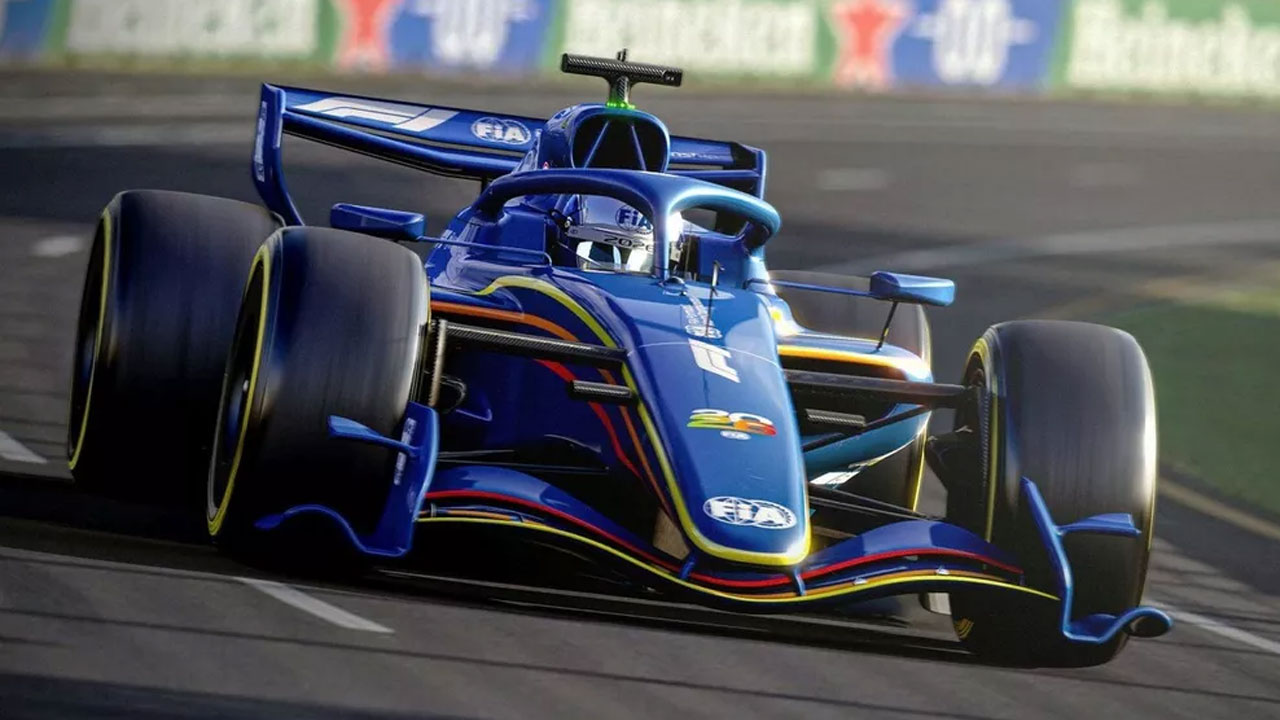
Yet even as the grid fights for crucial points, Formula 1’s ten teams are simultaneously preparing for a far larger challenge: the arrival of the radically redesigned 2026 cars. Next season will introduce a sweeping overhaul to both chassis regulations and hybrid power unit architecture, creating one of the most consequential technical resets in modern F1.
A Shortened Off-Season and an Early Testing Window
Pre-season testing for 2026 begins on 26 January in Barcelona, a full month earlier than this year’s schedule. As a result, teams must freeze their designs, build components and prepare full chassis assemblies far sooner than usual. Any team wishing to run early shakedown or filming days in January will need complete cars ready almost immediately after the new year begins.
“I was in the factory last week, and I saw the chassis. That’s much earlier than I’ve experienced before,” said Steve Nielsen, managing director of Alpine, in an interview with Motorsport.com.
“Normally, the chassis is something that appears around late December or early January. It’s all much earlier because our first test is in week three in January.”
Nielsen noted that many of the team members working trackside through the season’s final races will have only a brief pause for the holidays before returning to the factory to assemble the 2026 challenger.
“The sum of all of that is quite a lot of pressure, not only on Enstone, but on the whole of Formula 1,” he said. “The winter is shorter than it’s been for a long time.”
FIA Crash Tests Add Another Deadline
Before any 2026 car can turn a wheel, it must pass the FIA’s mandatory crash tests, an annual process that typically takes place in December and January. For teams still finalising their designs, compressing this milestone into a shortened off-season adds further urgency.
Nielsen offered a detailed timeline for Alpine’s build plan: “The car will exist in one piece—not finished, but in one piece—by mid-December, because it’s going to have to be on a track three weeks later,” he said.
“We’ve got Christmas in the middle of that. If you walk around the factory now, the chassis is there, although it’s not painted and it’s not machined yet. We’ve got the crash test, which is a big milestone, in two or three weeks. Every machine in the factory is making bits for the ’26 car.”
A Packed Testing Calendar for 2026
Teams will begin their preparation with a private session in Barcelona on 26–30 January, followed by two official pre-season tests in Bahrain on 11–13 February and 18–20 February. With just a handful of track days before the season begins, early reliability and correlation work will be critical.
Red Bull Sets Early Livery Reveal
Looking ahead to next season, Red Bull Racing has already confirmed that it will unveil the liveries for both its 2026 challenger and the car of its sister team, Racing Bulls, at an event in Detroit, Michigan, in January 2026. The reveal underscores how early teams are positioning themselves in what could become one of the most competitive development races of the decade.
As the current campaign winds down, the compressed winter schedule and sweeping regulatory reset leave little time for rest. For most teams, the transition from the 2025 season to the 2026 era may be the tightest turnaround Formula 1 has faced in years.


